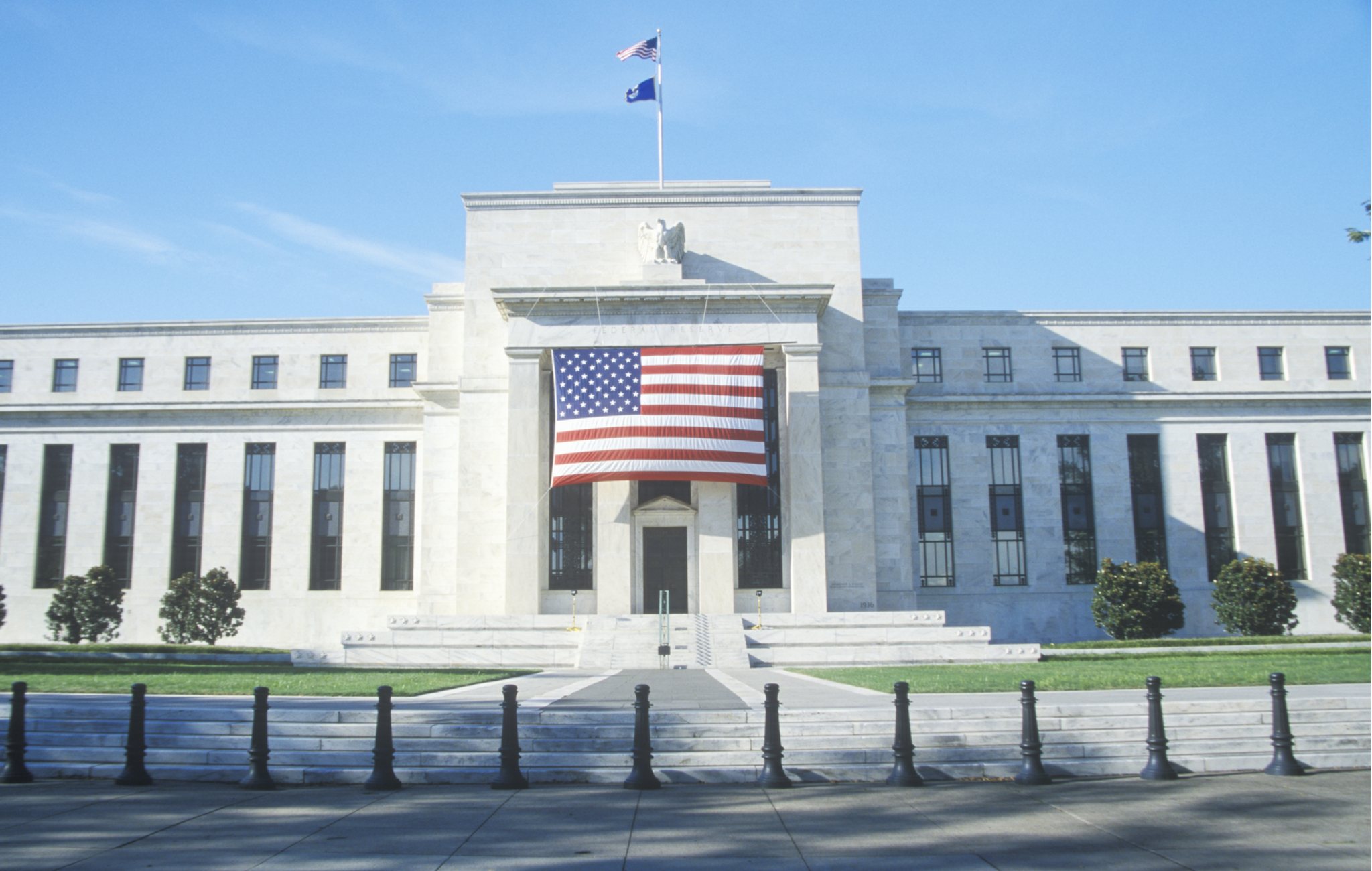
The Federal Reserve faces one of its most unpredictable meetings in years; keeping interest rates unchanged is the most likely scenario, but a rate hike remains a possibility.
Global markets are focused on the US Federal Reserve meeting scheduled for Wednesday, amid unusual division over the expected decision, as investors and analysts believe the central bank may keep interest rates unchanged, but still retains the option to raise them if it sees that inflation risks have not declined sufficiently.
These expectations come at a time when markets are experiencing a mix of conflicting signals, between slowing inflation on one hand, and the return of geopolitical tensions in the Middle East and rising oil prices on the other, which makes the task of monetary policymakers more difficult.
Renewed tensions in the Middle East have pushed oil prices higher again, raising concerns among more hawkish members of the Federal Reserve that rising energy costs could reignite inflationary pressures and make it more difficult to bring inflation back to the 2% target. Meanwhile, the latest US inflation data showed a slowdown in the pace of price increases, giving the central bank more room to keep interest rates unchanged, pending further data to confirm the continuation of this trend.
George believes it is not unlikely that the bank will decide to raise interest rates by 25 basis points during the current meeting, but she suggested that the September meeting is the most likely time to take this step if inflationary pressures continue.
Movements in the US bond market suggest that investors are not ruling out further monetary tightening. The yield on the two-year US Treasury note , one of the most closely linked indicators of monetary policy expectations, has remained above 4% since mid-May, indicating that markets still anticipate at least one interest rate hike this year.
US Treasury yields also rose across various maturities, driven by concerns about persistent inflation and a renewed rise in energy prices. Markets have reduced their bets on interest rates remaining unchanged. Interest rate futures contracts have shown a marked shift in investor expectations in recent days. The probability of no interest rates at the July meeting has fallen to around 62% , down from 87% just ten days ago, while the probability of a rate hike has risen to around 37%, compared to 12% mid-month.
Analysts believe these figures reflect a lack of strong conviction within the markets regarding the final decision, which gives the Federal Reserve greater flexibility to take either option without completely surprising investors.
She added that Federal Reserve Chairman Kevin Warsh had been clear in his recent statements about his commitment to fighting inflation, stressing that the bank would not tolerate any signs of continued price pressures.
In contrast to the approach that markets have become accustomed to in recent years, which relied on clearly guiding investors before meetings, Wollast prefers to reduce advance signals, in a style similar to the policy followed by former Federal Reserve Chairman Alan Greenspan .