
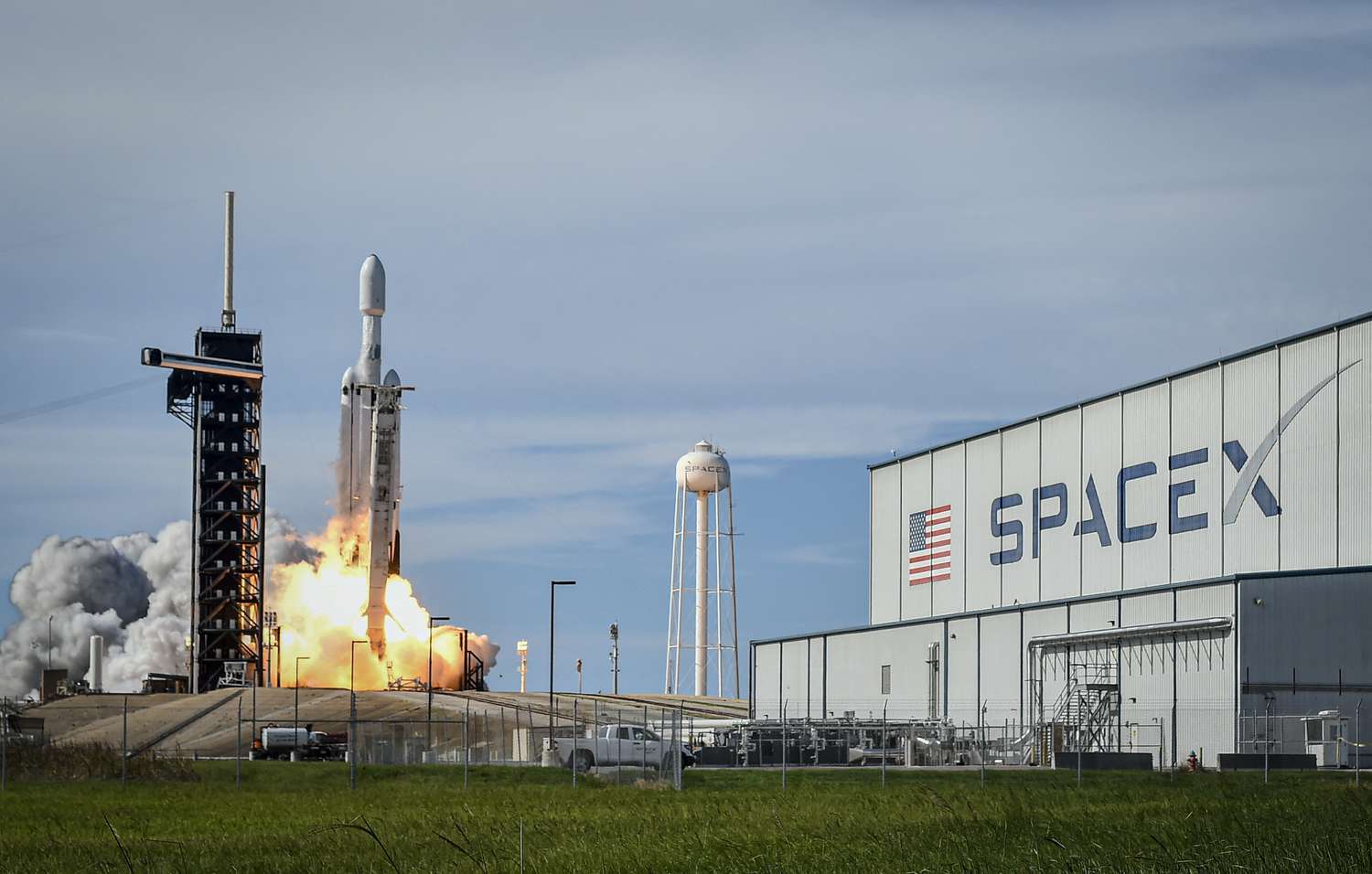
SpaceX prepares for the largest IPO in history with a valuation of $1.75 trillion.
SpaceX is poised to write a new chapter in the history of global financial markets, having set its initial public offering price at $135 per share, a move that could make it the largest company to carry out an IPO in Wall Street history.
The company aims to raise approximately $75 billion by selling 555 million shares, giving it a massive market valuation of around $1.75 trillion. Trading of the stock is scheduled to begin on the Nasdaq on June 12, amid exceptional interest from investors and financial institutions worldwide.
The offering is being managed by a huge banking consortium led by major financial institutions, including Goldman Sachs, Morgan Stanley, Bank of America, Citigroup and JPMorgan Chase, along with more than twenty other investment banks.
This offering is notable for an unusual move in the IPO market, as the company decided to set a direct final share price without announcing a price range, as is customary in most public offerings. This decision reflects strong confidence in the anticipated demand for the stock, as well as the company’s unique position within the aerospace and technology sector.
Despite its enormous valuation, it falls short of some of the optimistic projections circulating in private markets over the past few months. Nevertheless, the $1.75 trillion valuation places SpaceX among the world’s largest publicly traded companies on its first day of trading.
SpaceX currently holds approximately 12.9 billion shares of Class A and Class B stock. Company founder Elon Musk retains strong control over the voting structure, owning a significant portion of Class B shares, which grant ten votes per share, thus ensuring his continued influence on the company’s strategic decisions even after its IPO.
The impact of the IPO isn’t limited to SpaceX alone; it extends to the entire space sector. When an industry leader achieves a valuation exceeding one trillion dollars, investors begin to reassess smaller, competing companies, potentially triggering a surge in the valuations of space companies and related technologies.
This offering is also seen as the start of a new wave of major technology IPOs, especially given the ongoing preparations for the listing of AI giants. Anthropic has already begun the confidential process of its IPO, while OpenAI is preparing to take similar steps in the near future. SpaceX’s importance in the tech landscape is growing following its expanded involvement in the AI sector, particularly after its merger with xAI earlier this year. Tesla also owns approximately 19 million shares in SpaceX, valued at around $2.6 billion at the current IPO price.