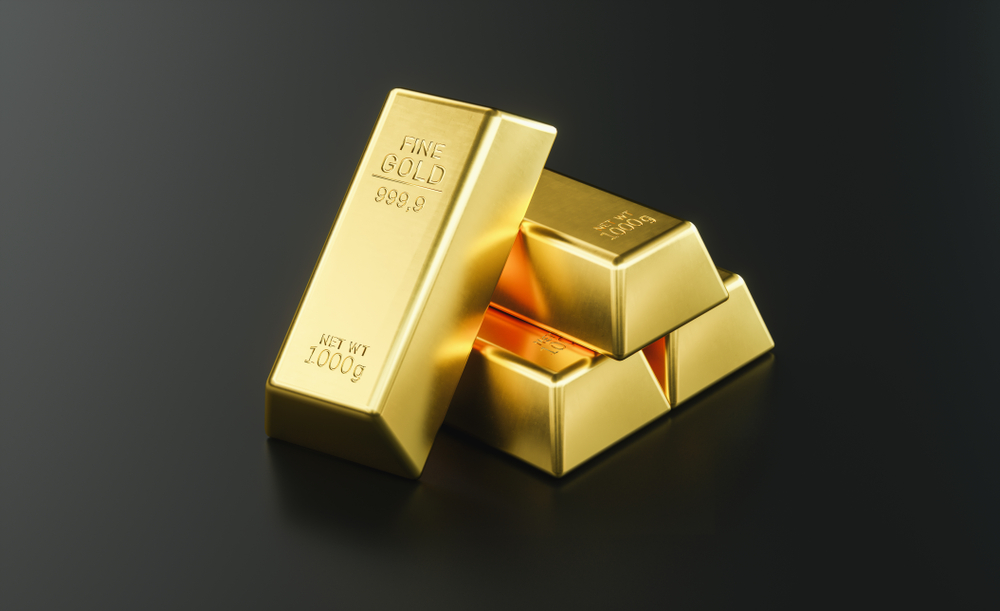
Gold jumps above $4,300 an ounce amid optimism over a US-Iran peace deal.
Gold prices surged at the start of the week, surpassing $4,300 an ounce, buoyed by reports that the United States and Iran had reached a framework agreement for peace, a move that boosted optimism in global markets. The precious metal climbed more than 2% to levels exceeding $4,320 an ounce, continuing its strong recovery from last week’s lows near $4,000 an ounce.
Despite the widespread welcome for the news, the agreement still needs a formal signing expected next Friday in Switzerland, leaving markets on tenterhooks for possible new developments that could affect trading trends in the coming days.
This performance reflects the continued demand for gold as a safe haven, along with its benefit from rapid changes in US monetary policy expectations and dollar movements.
According to US and Iranian officials, the proposed agreement framework includes a cessation of hostilities and an end to the US embargo on Iran, as well as the reopening of the Strait of Hormuz, one of the world’s most important oil shipping lanes.
This led to a drop in Brent crude prices by more than 4% to trade near $84 a barrel, as markets priced in the prospect of increased oil supplies and reduced risks associated with disruptions to global energy flows.
In contrast, the US dollar index fell by about 0.2%, while expectations of an interest rate hike by the Federal Reserve declined, as markets now see the probability of an interest rate increase by December as less than 50%, compared to about 70% just a week ago.
The rise in gold prices comes after months of pressure stemming from soaring energy prices, persistent inflationary pressures, and growing expectations that interest rates will remain high for an extended period. High interest rates typically negatively impact gold, as it does not offer a periodic return like bonds or deposits. Investors are currently awaiting the outcome of the US Federal Reserve meeting on June 16 and 17, with widespread expectations that interest rates will remain unchanged. Attention is also focused on the updated economic forecasts, which could determine the direction of markets and precious metals in the coming period.