

Table of Contents
Trading During Ramadan: The Complete Guide to a Successful Holy Month
If you’ve been trading for a while, you already know that markets never stop. Opportunities don’t pause because of holidays, occasions, or even sacred times of the year. But honestly, Ramadan is different from any other period, not only because people are fasting, but because many of us want to give our absolute best during this holy month, both personally and professionally. And trading is no exception.
Ramadan brings changes to our routine, energy levels, sleep patterns, and even our emotional state. These shifts can directly affect how we analyze markets, manage risk, and make decisions. That’s why many Muslim traders find themselves wondering how to maintain focus, discipline, and performance while fasting.
In this guide, we’ll break down everything that might concern a trader during the holy month of Ramadan
Let’s dive in.

How Ramadan Affects Traders

How Ramadan Affects Traders Mentally
Fasting changes brain function more than many people realize.
During fasting hours:
- Blood sugar levels decline
- Hydration levels drop
- Cognitive stamina decreases
- Reaction time can slow down
Trading relies heavily on:
- Decision speed
- Emotional control
- Focus
- Risk assessment
Common mental challenges traders experience during Ramadan
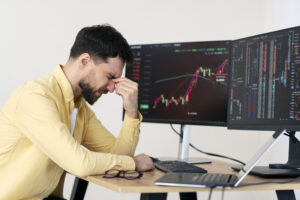
- Reduced concentration, especially in the last hours before iftar
- Higher emotional sensitivity (frustration, impatience, impulsive decisions)
- Decision fatigue (brain prefers shortcuts, leading to poor choices)
- Overtrading due to schedule changes (trading more at night without proper rest)
Physical Effects of Fasting on Trading Performance

During fasting:
- Hydration decreases → cognitive clarity drops
- Sleep patterns shift → reaction time changes
- Energy fluctuates → discipline weakens
Key points for traders:
- Many ignore this, but professional traders adapt
- Your body operates under a different system — your routine should match it
Choosing the Right Trading Timing

Best Trading Hours During Ramadan
After Iftar (Evening Sessions):
- Energy restored
- Hydration improved
- Mental clarity higher
- Markets still active (forex, indices)
- Overlaps with US session continuation
- Volatility opportunities
Before Suhoor (Late Night / Early Morning):
- Calm decision-making
- Trade swing/position strategies
- Analyze markets quietly
Avoid Late Fasting Hours Before Iftar:
- High-risk period
- Problems: impulsive entries, reduced patience, poor risk control, emotional reactions
- Solution: reduce exposure if trading during this time
Planning and Structuring Your Trading Day

Planning Trading Sessions Around Ramadan Routine
Benefits:
- Encourages structured daily planning
- Reduces random screen time and burnout
Tips:
- Set fixed trading hours
- Choose sessions that match energy levels
- Schedule analysis time separate from execution
A Practical Ramadan Trading Routine Example

Routine:
- Morning: Light analysis, no heavy trading
- Afternoon: Rest or non-trading activities
- Before Iftar: Avoid trading if energy is low
- After Iftar: Main trading session
- Night: Review trades, journaling
- Before Sleep: Market planning for next day
Technical and Strategy Adjustments
Technical Trading Adjustments During Ramadan
Market changes:
- Lower liquidity during daylight hours
- Higher activity after sunset
- Different volatility patterns
Tips:
- Focus on higher timeframes (H1, H4, Daily)
- Use pending orders to reduce emotional decisions
- Reduce trade frequency → quality over quantity
- Plan trades when energy is highest
Risk Management During Ramadan

Recommended adjustments:
- Reduce position size
- Lower leverage
- Avoid revenge trading
- Limit number of trades per day
- Use strict stop losses
Golden rule: If energy is low → reduce risk
Avoiding Excessive Risk During Ramadan
Tips:
- Avoid over-leveraging
- Reduce position sizes if energy levels are low
- Don’t trade when mentally exhausted
- Focus on quality setups, not quantity
What Traders Should Avoid During Ramadan
High-risk behaviors:
- Overtrading at night (sleep deprivation)
- Trading while extremely hungry
- Increasing risk to “compensate”
- Emotional trading (hunger + stress)
- Ignoring physical needs (hydration, nutrition)
Staying Mentally and Physically Focused

How to Stay Mentally Focused While Fasting
Practical tips:
- Prioritize sleep quality (short naps help restore energy)
- Hydrate properly between Iftar and Suhoor
- Eat balanced meals (protein, complex carbs, healthy fats)
- Take short breaks to refresh the brain
- Trade less, analyze more (strategy review, journaling, backtesting, learning)
Psychological opportunities:
- Increased patience
- Emotional awareness
- Discipline training
- Reduced impulsivity
- Reflection mindset
- Better self-control (fasting strengthens willpower)
Psychology and Behavior Changes
Investor Psychology During Ramadan
Effects:
- More emotional control
- Less impulsive decision-making
- Greater patience
- Higher focus on discipline and self-control
- Reduced desire for risky behavior
Behavior shifts:
- Hold positions longer
- Avoid unnecessary trades
- Think carefully before entering the market
Changes in Risk Appetite
Common changes:
- Smaller position sizes
- Fewer trades per day
- Preference for safer setups
- Avoid aggressive strategies like scalping
Benefits:
- Lower losses
- Better consistency
- Improved emotional control
Market Behavior During Ramadan

The Ramadan Effect in Financial Markets
Observations:
- Trading activity slower
- Investors trade less frequently
- Market sentiment may become more positive
- Some stock markets record better average returns
Opportunities and Strategic Advantages
|
Opportunities |
Risks |
|
Stable trading behavior |
Low energy during fasting |
|
Reduced impulsive decisions |
Reduced liquidity |
|
Better emotional discipline |
Slower reaction speed |
|
Potential seasonal optimism |
Overtrading at night |
| Time for learning and strategy improvement |
Post-Ramadan market adjustments |
Using Ramadan as a Period to Improve Trading Skills

Benefits:
- Learn new strategies
- Review past trades
- Backtest systems
- Watch educational material
- Practice on demo accounts
Principles:
- Trade with a clear plan
- Avoid revenge trading
- Avoid impulsive decisions from fatigue
- Focus on sustainability, not quick gains
- Maintain ethical financial behavior
Ramadan as a Reset Point for Traders
How it works:
- Review strategy
- Fix bad habits
- Improve discipline
- Reconnect with long-term goals
- Remove emotional trading behaviors
When You Should NOT Trade During Ramadan
Avoid trading if:
- Poor sleep
- Mentally exhausted
- Emotionally irritated
- Physically weak
- Unable to focus
Reminder: Not trading is also professional
Wrap-Up
“Ramadan is not a limitation, it just requires adjustments, flexibility, and trading at the right times, both mentally and physically. If you feel you’re not ready to trade live during Ramadan, you can always practice risk-free on our Demo Account.
Don’t forget to check out our article on investing in times of uncertainty, it offers valuable insights that can help you navigate any market conditions.”