
Home Personal financeHow to Control Your Emotions While Trading 

How to Control Your Emotions While Trading 

by Amira ibrahim
0 comments 170 views
How to Control Your Emotions While Trading 

Table of Contents

How to Control Your Emotions While Trading

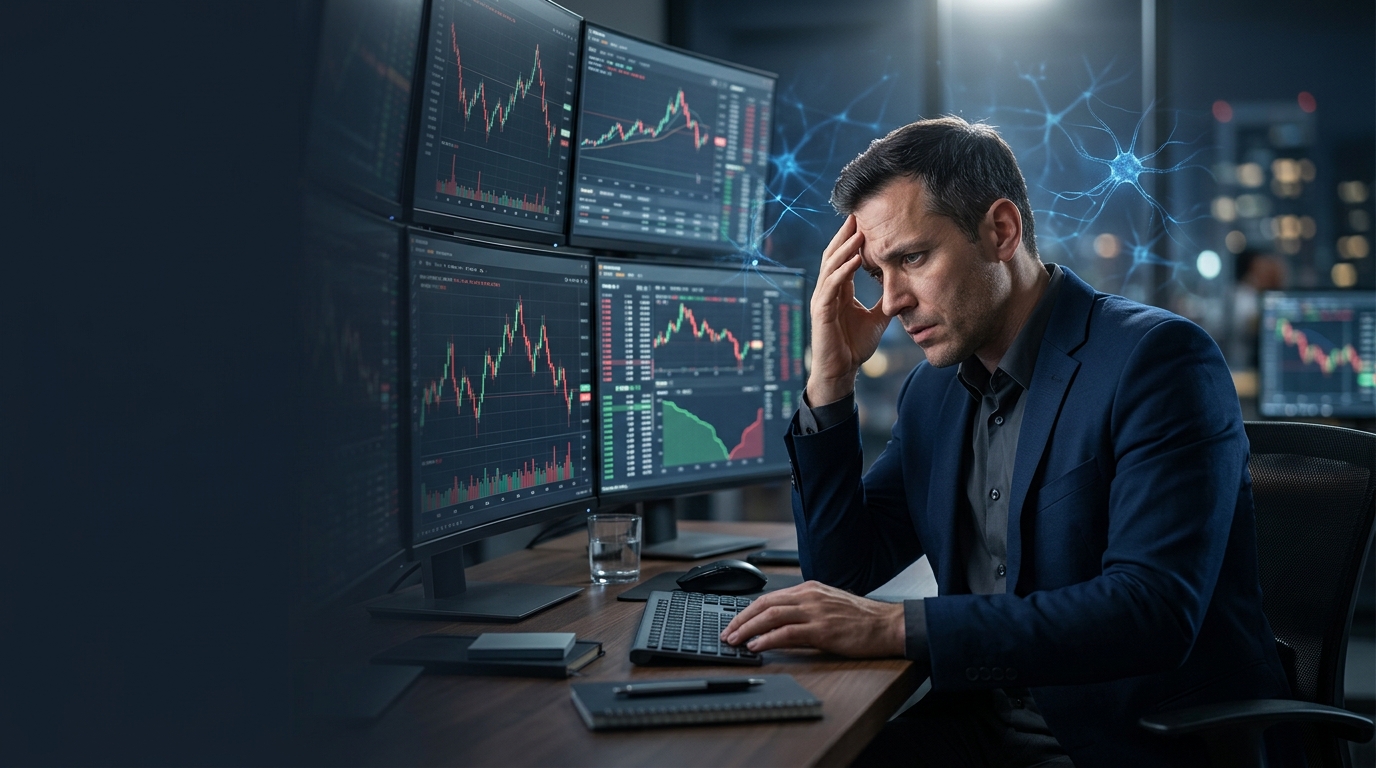
How to Control Your Emotions While Trading ……Ahh, what a truly critical topic! I have always wanted to talk about this one in more detail.

You know, our emotions are part of what makes us special and different. How we feel, how we react to different situations, and how we deal with pressure are all part of who we are.

Our emotions can move us, motivate us, and sometimes make decisions easier. But when we cannot control them, they can also make even simple decisions feel much harder.

And honestly, this is not only about trading.

banner

Today, I almost lost control of my emotions because of stress. I felt overwhelmed and close to breaking down, and that reminded me of something every trader needs to understand: we bring our emotions with us when we enter the market.

Fear, stress, excitement, greed, frustration and even overconfidence can all affect the way we trade.

That is why learning how to control your emotions while trading is so important.

It is not about becoming emotionless. That is impossible.

It is about understanding your emotions, recognizing when they are affecting your decisions, and learning how to respond instead of simply reacting.

So, my fellow hero traders, let’s talk about why emotions matter in trading, which emotions can affect our decisions the most, and what we can actually do to manage them.

Let’s dive in.

What Are Emotions?

Emotions are natural reactions to what we experience….for example, Fear, excitement, frustration, happiness, disappointment and confidence can all affect how we think and behave.

They can help us react quickly, but they can also influence our judgment when we are under pressure.

In trading, this matters because every decision involves uncertainty.

You never know with complete certainty what the market will do next.


What Do Emotions Have to Do With Trading?

Trading involves money, uncertainty and risk. That combination can create strong emotional reactions.

A losing trade may create fear or frustration.

A winning trade may create excitement or overconfidence.

A missed opportunity may create FOMO.

The problem is not having emotions.

The problem starts when an emotion changes your trading plan.

For example, a trader may:

  • Enter a trade too quickly because of FOMO.
  • Hold a losing position because they do not want to accept the loss.
  • Increase position size after a winning streak.
  • Enter another trade immediately after a loss to recover the money.
  • Close a profitable trade too early because of fear.

This is where emotional trading can become a problem.


Trading and the Emotions Involved

Every trader can experience emotions differently, but several appear repeatedly in financial markets.

Fear

Fear can make traders hesitate, close positions too early or avoid valid setups.

Fear can also appear after a series of losses.

Greed

Greed can push traders to take larger positions, stay in trades too long or take profits without following their original plan.

FOMO

Fear of missing out happens when traders see a strong market move and feel they must enter immediately.

This can lead to chasing the market instead of waiting for a planned setup.

Excitement

A winning trade can create excitement and make a trader feel more confident than usual.

The danger comes when excitement turns into careless decisions.

Frustration

Several losing trades can make a trader impatient.

That frustration may lead to more trades, larger positions or decisions made without proper analysis.

Overconfidence

Success can create the feeling that you understand the market better than you actually do.

Overconfidence often appears after a strong winning streak.

Hope

Hope becomes dangerous when it replaces analysis.

A trader may keep holding a losing position simply because they hope the market will eventually reverse.

Regret

Regret can appear after missing a trade or closing a position too early.

It can encourage traders to make another decision simply to feel better about the previous one.

Anger

Anger can lead to impulsive decisions, especially after a loss.

This is one reason revenge trading can become so damaging.

Relief

Relief is less obvious but still important.

A trader may close a position simply because they cannot handle the uncertainty anymore, even when the original trading plan has not changed.

How to Deal With Fear Before a Trade

When fear appears, do not immediately assume that your trade is wrong.

Ask yourself three simple questions:

  • Has the market changed?
  • Has my original analysis changed?
  • Is my risk still within my plan?

If nothing important has changed, avoid making a sudden decision simply because you feel afraid.


Risk, Strategy, Planning and Emotions

Emotional control does not start when you are already stressed.

It starts before you enter the trade.

A clear trading plan gives you rules to follow when emotions become stronger.

Your plan should define:

  • Entry conditions
  • Position size
  • Stop-loss level
  • Profit target
  • Maximum risk per trade
  • Maximum daily loss
  • Conditions for exiting
  • When you should stop trading

Risk management is particularly important because excessive risk creates excessive emotional pressure.

If one trade feels like it could seriously damage your account, it becomes much harder to think objectively.

  • A strategy tells you what to trade.
  • Risk management tells you how much to risk.
  • A trading plan tells you what to do before, during and after the trade.
  • Emotional discipline helps you follow those rules when the market becomes difficult.
  • These four elements work together.

10 Ways to How to Control Your Emotions While Trading

1. Create a Trading Plan

Know what you are looking for before you enter the market.

Do not build your strategy while watching a position move against you.

Write your rules down and follow them.

2. Know Your Risk Before Entering

Never enter a trade without knowing how much you could lose.

Your position size should match your risk plan, not your excitement about the opportunity.

3. Use a Stop-Loss When Appropriate

A stop-loss can help define your risk before emotions take over.

The important part is deciding the level according to your strategy rather than moving it simply because you do not want to accept a loss.

4. Stop Chasing the Market

If you missed a move, you missed it.

Do not enter a trade simply because the price has already moved significantly and you are afraid of missing more.

Wait for your setup.

5. Avoid Revenge Trading

A losing trade does not need to be recovered immediately.

If you feel the urge to enter another position just to recover a loss, step away from the market.

6. Take Breaks

You do not have to trade continuously.

After several losses, a stressful event or a period of poor concentration, taking a break can be more useful than forcing another trade.

7. Keep Your Position Size Under Control

Large positions can make normal market movements feel emotionally extreme.

Trade a size that allows you to follow your plan without constantly worrying about every price movement.

8. Keep a Trading Journal

Record:

  • Why you entered
  • Your setup
  • Your risk
  • Your exit
  • What happened
  • How you felt

Over time, your journal can reveal emotional patterns that are difficult to notice while trading.

9. Accept That Losses Happen

A losing trade does not automatically mean your strategy is bad.

No strategy wins every trade.

The goal is to manage losses according to your plan rather than trying to eliminate them completely.

10. Know When Not to Trade

Sometimes the best decision is to stay out.

If you are extremely stressed, angry, distracted or emotionally overwhelmed, consider stepping away instead of forcing yourself to trade.

There will always be another market opportunity.


Emotional Trading Checklist

Stop and Ask Yourself:

Before opening another trade, ask:

  • Am I following my trading plan?
  • Do I have a clear setup?
  • Do I know how much I could lose?
  • Am I entering because of analysis or emotion?
  • Am I trying to recover a previous loss?
  • Am I afraid of missing the move?
  • Am I increasing my position because I just won?
  • Am I holding this trade because of hope?
  • Am I angry or frustrated?
  • Can I accept the possible loss before entering?

If several answers make you uncomfortable, pause before placing the trade.


What to Do When You Feel Your Emotions Taking Control

Sometimes you notice the emotion only after it has already become strong.

When that happens:

Step 1: Stop

Do not immediately open another position.

Step 2: Step Away

Move away from the chart for a few minutes.

Step 3: Identify the Emotion

Ask yourself:

Am I afraid, greedy, frustrated, angry, excited or simply stressed?

Naming the emotion can help you understand what is influencing your decision.

Step 4: Review Your Plan

Look at your original trading rules.

Has the market changed, or have you changed your decision because of the emotion?

Step 5: Reduce the Pressure

If you cannot think clearly, there is no requirement to trade.

Protecting your capital also means protecting your decision-making process.

Step 6: Come Back Later

The market will still be there.

A missed trade is usually easier to handle than an impulsive trade that you never planned to take.


A Simple Rule to Remember

Do not try to eliminate emotions from trading. Learn to stop emotions from controlling your decisions.

You are a human trader, not a machine.

You will feel fear.

You will feel excitement.

You will experience losses and winning streaks.

The goal is not to stop feeling.

The goal is to build a process strong enough that your emotions do not decide your next trade.


Why Emotions Can Override Trading Decisions

Our brain processes information, past experiences and possible risks, and these can quickly trigger emotional reactions.

A losing trade may create fear, while a strong winning trade can create excitement or overconfidence.

Before making a decision, ask yourself: Am I acting on my analysis, or reacting to how I feel right now?

Loss Aversion: Why Losing Can Feel Different From Winning

Losing money can feel more painful than making the same amount can feel good, and this can strongly affect trading decisions.

It may make a trader hold a losing position too long, move a stop-loss, or close a winning trade too quickly.

The goal is not to avoid every loss, but to keep each loss within the risk you planned before entering the trade.

Can Emotions Move the Market?

Yes, emotions can influence markets when large numbers of traders react to the same information at the same time.

Fear can increase selling pressure, while optimism, greed and FOMO can increase buying activity.

But remember, market movements are also driven by fundamentals such as economic data, interest rates, company results and liquidity.

 

FAQs about How to Control Your Emotions While Trading

Can traders completely eliminate emotions?

No. Emotions are a normal part of decision-making, but traders can learn to recognize and manage them before they influence their actions.

Why do emotions affect trading decisions?

Strong emotions can make traders focus on immediate outcomes instead of their trading plan. Fear, greed, frustration, and excitement can all encourage impulsive decisions.

Why do I keep breaking my trading rules?

Rules are harder to follow when stress or strong emotions take over. Clear pre-planned responses can make it easier to follow your process under pressure.

How can I control my emotions while trading?

Start by noticing the emotion, naming it, and then deciding what to do based on your trading plan. This creates a pause between the feeling and the action.

Should I try to trade without emotions?

No. The goal is not to remove emotions but to prevent them from controlling your decisions.

Can fear affect my trading?

Yes. Fear can make traders exit too early, avoid valid setups, or hesitate when action is required.

Why am I afraid before entering a trade?

Fear often comes from uncertainty, potential losses, or lack of confidence in the setup. A defined entry, stop-loss, and risk limit can make the decision clearer.

How can I stop being afraid of losing a trade?

Accept that losses are part of trading before entering the position. Focus on managing risk rather than trying to guarantee the outcome.

What is revenge trading?

Revenge trading happens when a trader takes another position mainly to recover a previous loss. It often leads to larger or lower-quality trades.

How can I stop revenge trading?

Create a rule for what you will do after a loss, such as taking a break or reviewing the trade before entering again. Pre-decided rules reduce emotional decisions.

Why do traders experience FOMO?

FOMO often appears when traders see a market move without being involved. The fear of missing an opportunity can encourage chasing trades that no longer fit the original setup.

How can I control FOMO?

Recognize the feeling before acting and ask whether the current setup still meets your trading rules. If it does not, letting the trade go can be part of good risk management.

Can position size affect trading emotions?

Yes. A position that is too large can make normal market movements feel much more stressful. Using a position size that fits your risk plan can make decisions easier.

Should I watch my trade constantly after entering?

Constant monitoring can increase anxiety and encourage unnecessary decisions. Use your trading plan and risk controls instead of reacting to every price movement.

Do trading rules really help control emotions?

Yes. Clear rules reduce the number of decisions you have to make while under pressure.

What is an if–then trading rule?

It is a pre-decided response to a specific situation. For example, “If I reach my daily loss limit, then I stop trading.”

Why do I doubt my trading decisions?

Doubt often increases when the outcome is uncertain or when a trade moves against you. Returning to your original analysis and predefined rules can help separate analysis from emotion.

How can I stop second-guessing my trades?

Define your entry, exit, and risk conditions before entering whenever possible. Once the trade is active, evaluate it against those conditions rather than every short-term price movement.

Why does fear of being wrong affect traders?

Some traders treat a losing trade as proof that their analysis was wrong or that they made a personal mistake. Trading becomes easier when a loss is viewed as one possible outcome of a probability-based process.

Can winning trades also create emotional problems?

Yes. A series of wins can increase confidence and sometimes encourage traders to take larger risks or ignore their rules.

Can overconfidence affect trading?

Yes. Overconfidence can lead to larger positions, excessive trading, or ignoring warning signs.

Can a mechanical trading system reduce emotional decisions?

It can reduce the number of discretionary decisions a trader makes. However, traders can still experience emotions when using an automated or systematic approach.

Does journaling help control trading emotions?

Yes. A trading journal can help identify recurring emotional triggers and patterns in decision-making.

What should I record about my emotions in a trading journal?

Record what you felt, what triggered it, what you did, and whether the action followed your trading plan. Over time, this can reveal recurring patterns.

Can stress affect trading performance?

Yes. High stress can affect attention, decision-making, and impulse control, making it harder to follow a trading plan.

Can a losing streak change how I trade?

Yes. A prolonged losing period can increase fear and risk aversion or, in some traders, trigger attempts to recover losses quickly.

Why do traders sometimes freeze during a trade?

Strong stress can make it harder to decide or act even when the trader knows what the plan requires. Predefined actions can reduce the need to make difficult decisions in the moment.

What should I do if I freeze during a trade?

Pause and return to your predefined risk rules instead of making an emotional decision. A short break can also help you regain clarity.

Does breathing help when trading emotions become intense?

Controlled breathing can help reduce physiological arousal during stressful moments. A few slow breaths before making a decision can create a useful pause.

What is affect labeling?

Affect labeling means putting your current emotion into words, such as “I am feeling FOMO” or “I am frustrated after this loss.” Naming the emotion can help create distance from the immediate reaction.

What does “Notice, Name, Choose” mean?

First, notice the emotion, then name it, and finally choose your response based on your trading plan. The goal is to create a pause between emotion and action.

Should I suppress my emotions while trading?

Trying to suppress emotions does not necessarily make them disappear. It is usually more useful to recognize the emotion without automatically acting on it.

Can emotions actually move financial markets?

Yes. Collective fear, greed, optimism, and uncertainty can influence buying and selling behavior and contribute to market movements.

What is loss aversion?

Loss aversion is the tendency to experience losses more strongly than equivalent gains. In trading, it can contribute to holding losing positions too long or avoiding reasonable risks.

Can market noise increase emotional decisions?

Yes. Constant price movements, news, and social-media opinions can make traders react to information that does not fit their strategy.

Should I stop trading when I feel emotional?

Not every emotion requires stopping. However, if emotions are strong enough to interfere with your risk rules or decision-making, stepping away can be sensible.

Does taking a break help after a loss?

A short break can help prevent an immediate emotional reaction from turning into another trade. The length of the break should fit your trading rules and situation.

How does sleep affect emotional trading?

Poor sleep can make attention and emotional regulation more difficult. Good rest can support clearer decision-making during trading.

Does decision fatigue affect traders?

Repeated decisions can create mental fatigue, especially during long trading sessions. Predefined rules and limits can reduce unnecessary decisions.

Why do traders make more mistakes later in the day?

Mental fatigue can make it harder to maintain attention and discipline over long sessions. Setting trading hours and decision limits can help manage this problem.

What is a trading pre-mortem?

A pre-mortem means imagining that a trade has already failed and asking what caused the failure. It can help traders identify risks they might overlook when they are highly confident.

How long should a trading pre-mortem take?

It can be very short. Spending around one or two minutes identifying possible reasons for failure can add another layer of risk awareness before entry.

Does trade size affect emotional control?

Yes. Larger exposure can make normal price movements feel more significant and increase emotional pressure. Position sizing should be consistent with your risk plan.

Is emotional trading always caused by fear?

No. Fear is only one possible trigger. Excitement, greed, frustration, boredom, overconfidence, and the desire to recover losses can also influence decisions.

Can excitement be dangerous in trading?

Yes. Excitement can encourage traders to enter too frequently, increase position sizes, or abandon their original strategy.

How can I control greed while trading?

Define your profit-taking, position-sizing, and risk rules before entering. This reduces the temptation to change the plan because a trade is moving in your favor.

What is the best way to manage trading emotions?

There is no single technique that works for every trader. A combination of clear risk rules, emotional awareness, appropriate position sizing, journaling, and predefined responses can help.

Can discipline be learned in trading?

Yes. Discipline can be developed through consistent routines, clear rules, and repeated practice. The goal is to make good processes easier to follow under pressure.

What should I do after breaking my trading rules?

Review what triggered the decision rather than immediately trying to recover the result. Identify the problem and adjust your process if necessary.

How can I build better emotional discipline?

Start with a small number of clear rules and practice following them consistently. Track both your trades and the emotions surrounding them.

Should I trade immediately after a big loss?

Not necessarily. If you are emotionally affected by the loss, stepping away and reviewing your plan may be more appropriate than immediately taking another position.

How can I tell if emotions are controlling my trading?

Warning signs include revenge trading, chasing the market, repeatedly changing stops, increasing position size after losses, and ignoring your trading plan.

Can experienced traders still experience fear and FOMO?

Yes. Experience does not remove emotions. Experienced traders generally focus on recognizing those emotions without allowing them to automatically determine their actions.

Is emotional control more important than having a good strategy?

Both matter. A sound strategy still requires consistent execution and appropriate risk management to be useful.

Can automated risk management help with emotional trading?

Yes. Tools such as predefined stop-losses and position-size limits can reduce the number of decisions that must be made during stressful market conditions.

What is the main goal of emotional control in trading?

The goal is not to become emotionless. It is to recognize your emotional state and continue making decisions according to a defined process.

You may also like

Leave a Comment

Caveo FX Limited is a regulated Securities Dealer offering CFD trading on forex, commodities, indices, and cryptocurrencies. Licensed by the Financial Services Authority of Seychelles (SD213), we provide secure and transparent trading solutions with advanced platforms and competitive spreads.

Edtior's Picks

Latest Articles

All RIGHTS RESERVED TO CAVEO FX LIMITED