Despite rising inflation, why might the US Federal Reserve postpone raising interest rates until December?
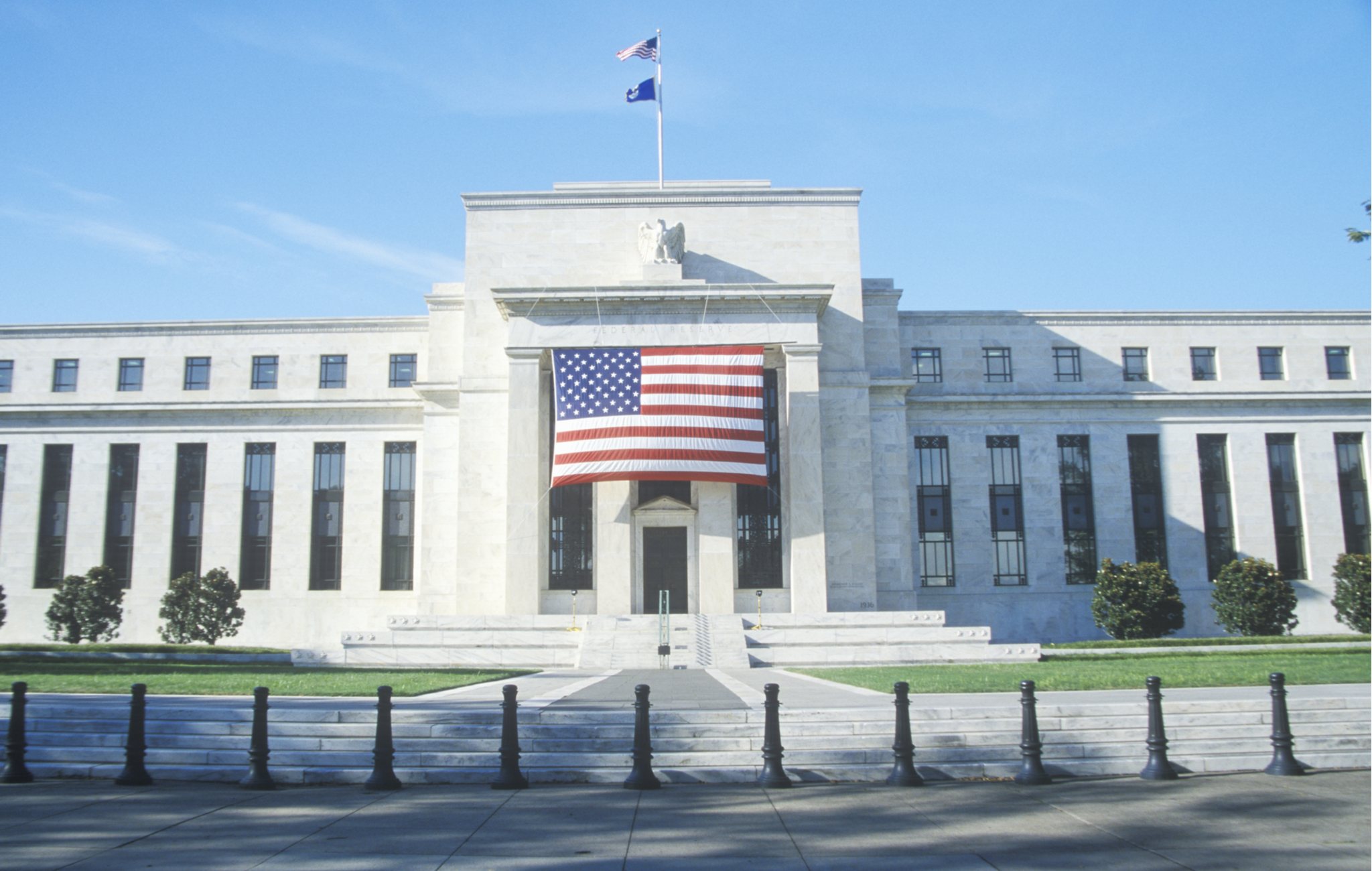
The US Federal Reserve faces a complex economic dilemma. Inflation continues to rise well above the central bank’s target, while officials are considering postponing another interest rate hike until December to allow more time to assess the impact of previous decisions, economic developments, and the war in the Middle East. This dilemma comes ahead of the US midterm elections scheduled for November 3, and amid ongoing pressure on the cost of living. The Fed raised interest rates in September for the first time in three years, bringing them to a range of 3.75% to 4%.
Despite the Trump administration’s desire to lower interest rates, markets do not expect a cut during the October meeting, but rather anticipate a temporary freeze, with the possibility of another 25 basis point increase in December.
Economists believe that monetary policy needs time to fully impact economic activity and inflation. Therefore, holding interest rates steady in October could give policymakers an opportunity to assess the effect of the recent rate hike before making a new decision. According to a Reuters poll of 100 economists, 94 predicted rates would remain unchanged in October, while all respondents expected a rate increase in December.
Developments in the war with Iran also represent an additional factor in the central bank’s calculations, given their potential impact on oil and energy prices, and consequently on inflation. Yuval Bar-Or, a finance professor at Johns Hopkins University, stated that the course of military escalation or de-escalation will have significant repercussions for energy prices and inflation, making waiting for clarity a crucial option for monetary policymakers.
Conversely, pressure is mounting for a tightening of monetary policy. US consumer prices rose 3.7% year-on-year in September, up from 3.4% in August, remaining well above the Federal Reserve’s 2% target. Projections released by the Federal Open Market Committee (FOMC) in September indicated the likelihood of another interest rate hike before the end of the year; 12 members anticipated an additional 25 basis point increase, four favored a more aggressive tightening, and two believed no further increases were necessary.
Beth Hammack, president of the Federal Reserve Bank of Cleveland, warned that persistently high inflation could entrench expectations of rising prices within the economy, making it more difficult to control in the future. Austan Goolsbee, president of the Federal Reserve Bank of Chicago, also expressed concern that inflationary pressures might stem from increased economic demand itself, rather than being solely the result of temporary factors such as tariffs.
The challenges are not limited to the economy, as disagreements continue between President Trump and Federal Reserve officials regarding monetary policy and the central bank’s independence. Trump has renewed his efforts to remove Governor Lisa Cook and has called for former Fed Chairman Jerome Powell to resign, despite his term ending last May and his membership on the committee continuing until January 2028.