64
The Federal Reserve enters today’s meeting in a wait-and-see approach. Inflation hasn’t been completely defeated, but it no longer necessitates aggressive policy decisions, and the labor market has begun to stabilize without collapsing. In this context, holding interest rates steady is the most rational option, not because the economy is strong, but because current policy is already sufficiently constrained. This decision isn’t a retreat, but rather a strategic timing.
Inflation is declining… but not at a comfortable pace.
Recent data reflects a gradual slowdown in inflation, but underlying components—particularly services and housing—remain elevated. This means the Fed cannot declare victory, but it also sees no need to apply further pressure that could disrupt the current equilibrium. We are in a phase of “incomplete slowdown,” the most perilous stage of monetary policy.
Recent data reflects a gradual slowdown in inflation, but underlying components—particularly services and housing—remain elevated. This means the Fed cannot declare victory, but it also sees no need to apply further pressure that could disrupt the current equilibrium. We are in a phase of “incomplete slowdown,” the most perilous stage of monetary policy.
The labor market is cooling down… but without signs of recession.
Although unemployment remains low, the momentum of job creation is slowing, and wage growth is becoming more stable. These signs give the Fed room to maneuver: there is no overheating that warrants another rate hike, nor a collapse that would force it to ease. Therefore, any further action now would be an overtightening move.
Although unemployment remains low, the momentum of job creation is slowing, and wage growth is becoming more stable. These signs give the Fed room to maneuver: there is no overheating that warrants another rate hike, nor a collapse that would force it to ease. Therefore, any further action now would be an overtightening move.
The installation is not the end of the story… but the beginning of a new phase.
Even with interest rates fixed, the real question is: Is the tightening cycle over?
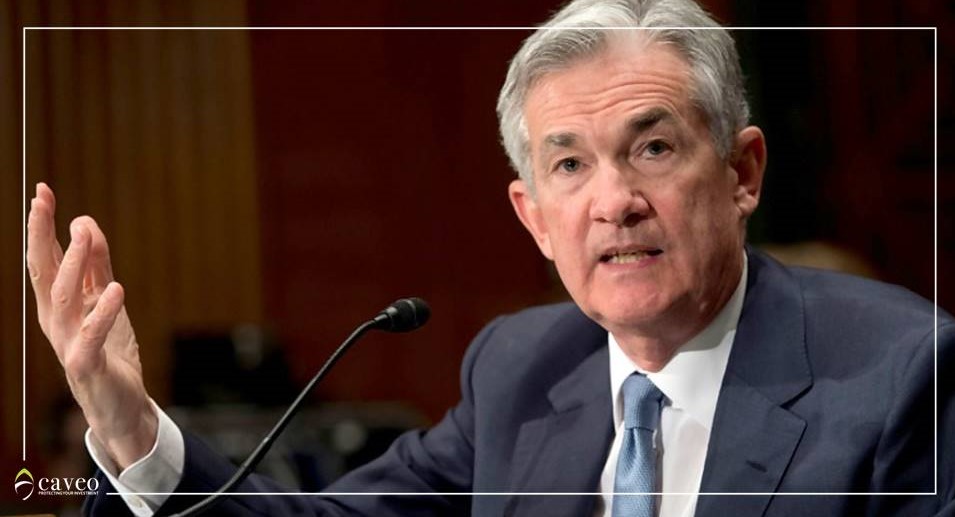
This is where Jerome Powell’s speech comes in. If he hints that current policy is sufficient, the market will begin pricing in a future rate cut. But if he confirms that the door remains open for another hike, we will be facing a “tactical pause” rather than a genuine shift.
Even with interest rates fixed, the real question is: Is the tightening cycle over?
This is where Jerome Powell’s speech comes in. If he hints that current policy is sufficient, the market will begin pricing in a future rate cut. But if he confirms that the door remains open for another hike, we will be facing a “tactical pause” rather than a genuine shift.
Markets don’t wait for the decision… but the tone.
The reaction will not be based on the installation itself, but on its interpretation:
The reaction will not be based on the installation itself, but on its interpretation:
- A hawkish tone means pressure on stocks and a rise in the dollar.
- A flexible tone means support for risky assets and declining returns.
- Any surprise interest rate hike will create a sharp and rapid repricing.
The Fed is buying time… and the market is buying the signals.
The most likely scenario is that interest rates will remain unchanged, but the true value of the meeting lies in its implicit messages. The Federal Reserve today isn’t changing course… it’s redefining it.