
43
The Dow Jones Industrial Average hit a new all-time high on Monday, closing above 52,000 points for the first time ever, fueled by a strong rally in technology stocks, particularly Alphabet , which made a powerful debut after its official inclusion in the index. The Dow finished the session up 306 points , or 0.6% , as investor risk appetite improved and technology stocks once again led the gains in the US markets.
Alphabet , the parent company of Google, saw its shares rise nearly 5% in its debut session on the Dow Jones Industrial Average after replacing Verizon , providing significant support to the index’s performance on its first day. Gains extended to other markets, with the S&P 500 climbing 1.2% and the Nasdaq Composite jumping approximately 2.1% , buoyed by strong performances from semiconductor and artificial intelligence stocks.
AI stocks are back leading the market.
Monday’s session saw a strong return for growth stocks, as investors turned once again to technology and artificial intelligence companies following weeks of volatile performance.
Shares of semiconductor companies, along with those related to artificial intelligence applications, posted strong gains, while defensive sectors such as utilities , real estate , consumer staples and basic materials lagged behind the upward trend, indicating a rising appetite among investors for higher-risk assets.
Geopolitical developments also contributed to supporting the markets, after signs emerged of easing tensions between the United States and Iran, which boosted demand for stocks and alleviated the fears that had gripped investors in recent weeks.
All eyes are on US jobs data.
In pre-market trading on Tuesday, U.S. stock futures continued their modest gains, with Dow Jones futures rising by about 20 points , S&P 500 futures climbing 0.2% , and Nasdaq futures gaining nearly 0.5% . Investors are now awaiting the release of the U.S. nonfarm payrolls report on Thursday, which is the key economic event of the week, shortened by the U.S. market holiday on Friday.
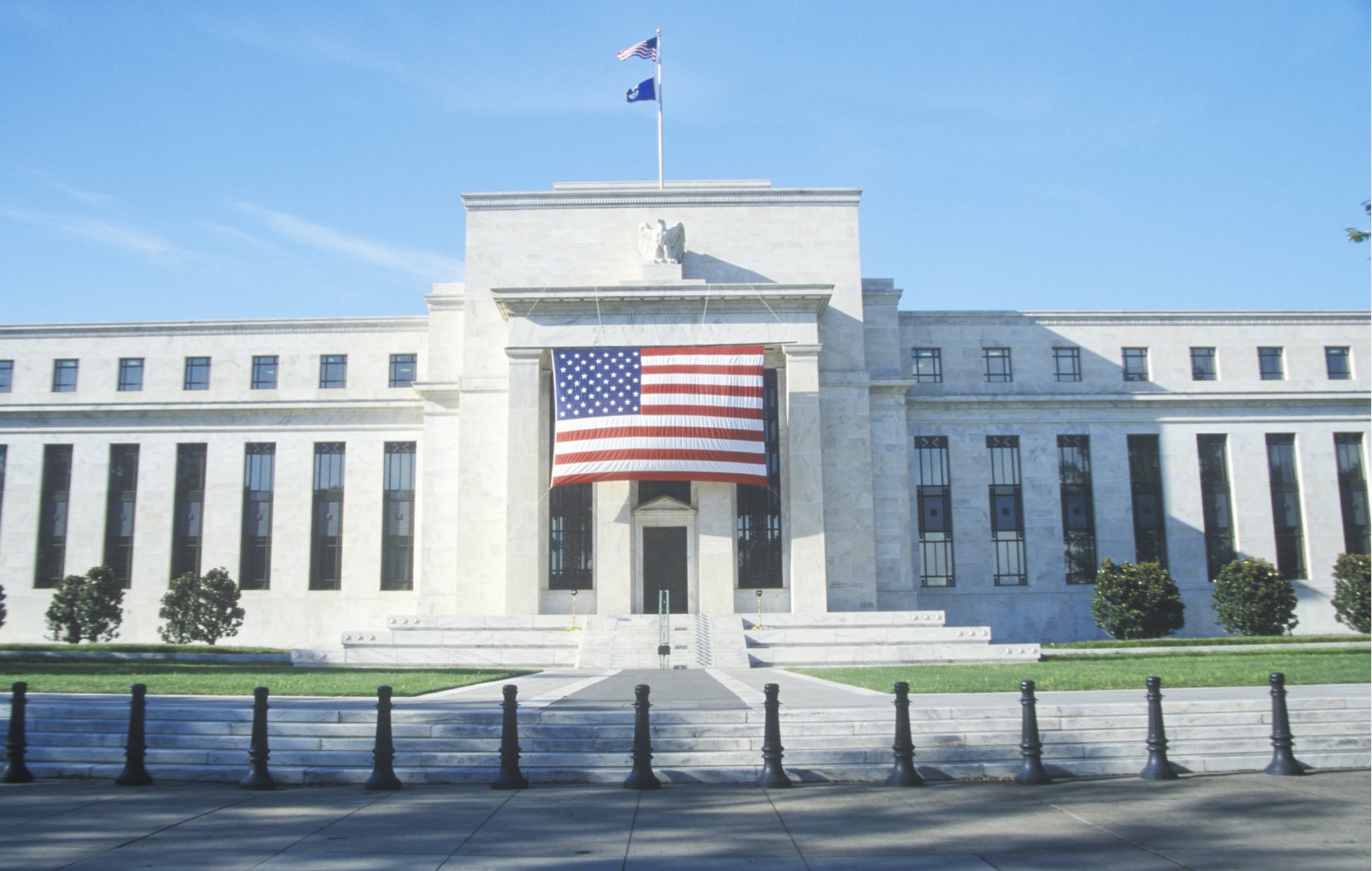
The report is of great importance due to its direct impact on the Federal Reserve’s monetary policy outlook. Continued strength in the labor market could support maintaining interest rates at high levels or even raising them again, while weaker-than-expected data could bolster bets on monetary easing. After the Dow Jones reached a record high, investors are waiting to see whether the labor market data will be the next catalyst for continued gains in US stocks, or whether it will bring back volatility to the markets as the path of interest rates is reassessed.