
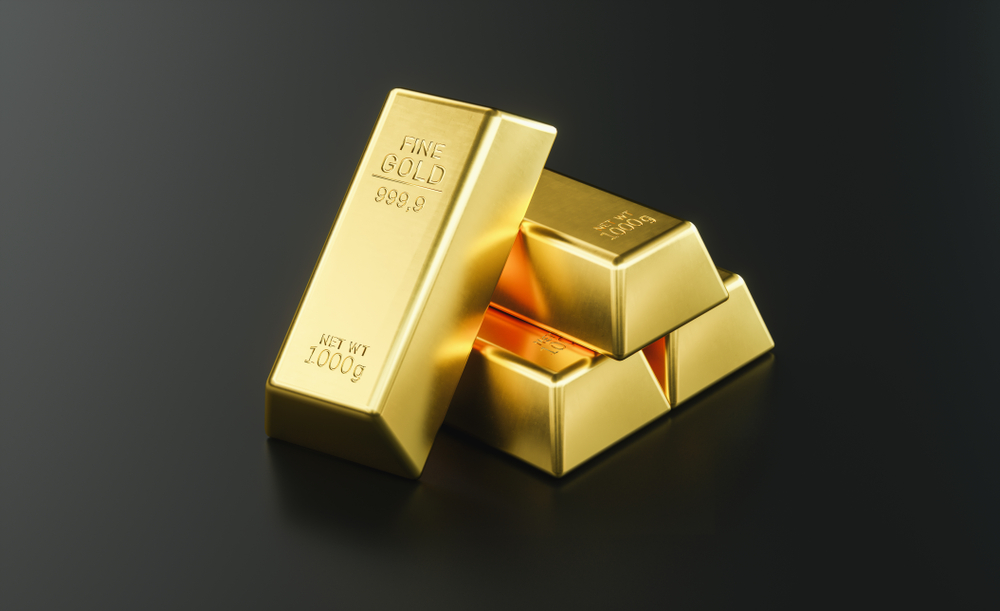
Gold recovers to $4,500 level after a sharp drop… Markets balance between war risks and interest rate expectations.
Spot gold jumped to levels close to $4,520 an ounce, recording a recovery of nearly 3% compared to the losses of the previous session, after it had been subjected to strong selling pressure that brought it to about $4,366, its weakest level since late March.
Gold was not alone in the recovery wave, as silver also joined the gains, recording a rise of more than 5% from Thursday’s lows to regain trading above the $75.50 per ounce level, indicating a return of demand for precious metals after a quick and sudden sell-off.
The pressure on gold during the previous session was linked to investor concerns that inflation will remain high, potentially prompting central banks to keep interest rates elevated for longer than markets anticipate. This scenario typically weighs on gold, as it is a non-yielding asset, making bonds and other monetary instruments more attractive when interest rates rise.
However, gold’s behavior in recent times has appeared more complex than traditional equations, as its movements have become closely linked to the delicate balance between war risks, energy prices, inflation, and monetary policy expectations.
Oil prices are of pivotal importance in this equation, because rising energy costs fuel inflation across the wider economy, which may push central banks to tighten monetary policy and raise interest rates, which usually puts pressure on the yellow metal.
Ironically, gold has recently found support as tensions have eased rather than escalated. Traders are betting that an extension of the ceasefire talks between the US and Iran could alleviate pressure on oil prices, reduce inflation risks, and consequently lessen the likelihood of sharp interest rate hikes. Interest rate expectations are a key driver for gold, as lower yields reduce the opportunity cost of holding the precious metal, making it more attractive compared to income-generating assets.