2.7K
US stocks opened the week with a broad decline, as a sell-off in the semiconductor sector dragged down technology shares. Investors began reassessing the high valuations of artificial intelligence companies following a months-long rally. The Nasdaq Composite fell 1.55% , the S&P 500 declined 0.8% , and the Dow Jones Industrial Average slipped 0.3% .
The PHLX Semiconductor Index, which tracks the performance of US semiconductor companies, also fell by 4.8% , continuing the sell-off that began in Asian markets before spreading to Wall Street. Analysts believe the recent declines do not reflect a drop in confidence in the artificial intelligence sector, but rather a move by investors to take profits and reassess the high prices reached by the sector’s stocks after the record gains of recent months.
Chip stocks lead the losses
The selling pressure was led by semiconductor stocks, with Micron Technology shares falling 4.4% , Intel losing about 6.1% , and SanDisk dropping more than 13% . Marvell Technology and AMD also saw significant declines. The sell-off extended to SpaceX shares, which fell about 4.2% , bringing them closer to their initial public offering price of $135 .
These moves followed a sharp sell-off in Asian markets, where shares of SK Hynix and Samsung Electronics came under heavy pressure, pushing South Korea’s Kospi index down by about 9% . While the long-term outlook for the artificial intelligence sector remains positive, investors have become more selective in their valuations, with growing concerns that some stocks are overvalued relative to their expected earnings growth.
Attention is now focused on inflation and bank results.
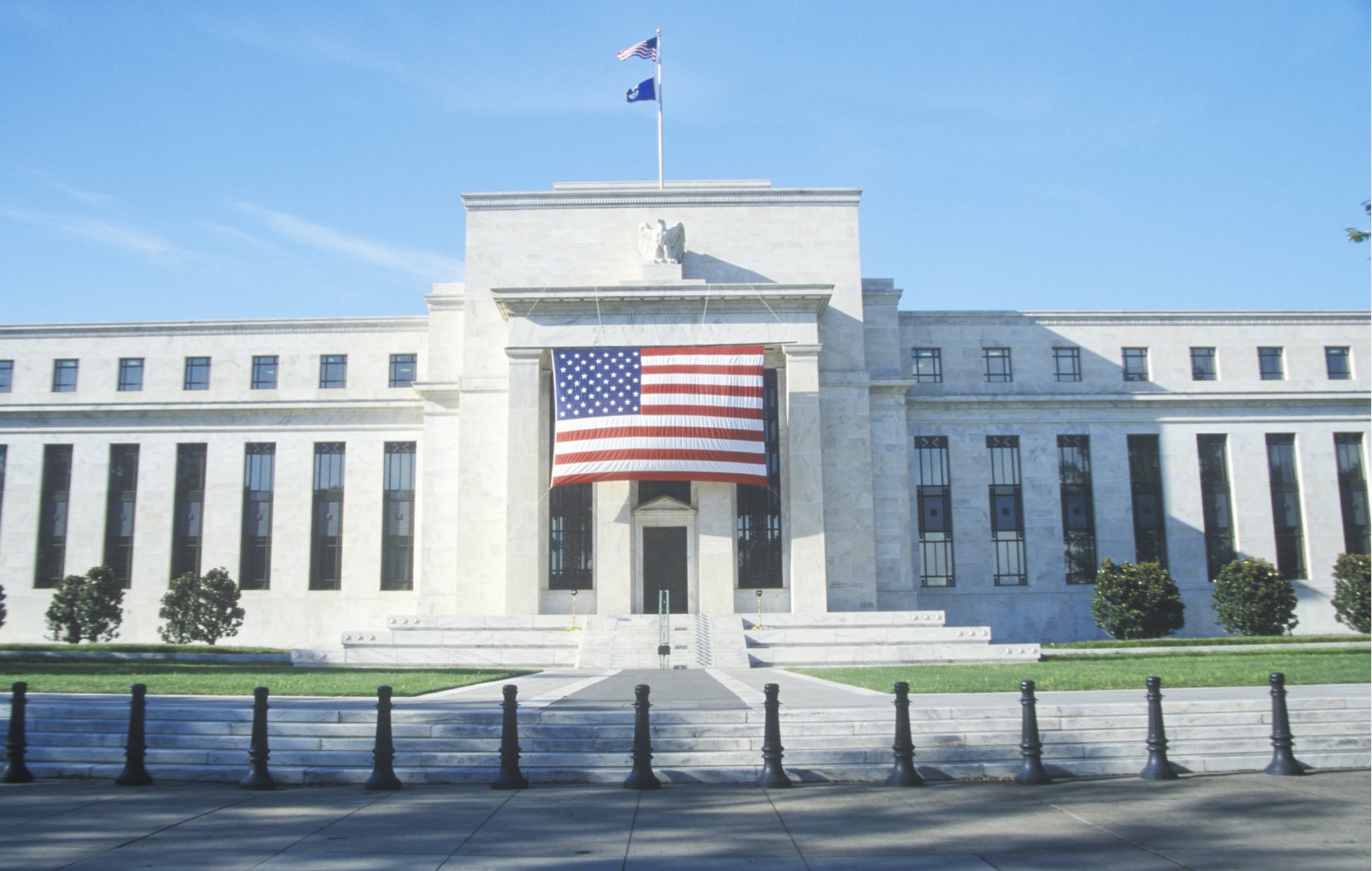
Meanwhile, oil prices rose after US President Donald Trump announced the reimposition of restrictions on shipping related to Iran, along with a proposal to impose a 20% tariff on vessels transiting the Strait of Hormuz , coinciding with renewed military strikes in the region. These developments have fueled investor concerns about a renewed surge in energy prices and the potential for increased inflationary pressures, which could prompt the Federal Reserve to maintain high interest rates for an extended period.
All eyes are on the start of the earnings season for major US banks, with JPMorgan Chase , Goldman Sachs , Bank of America , Wells Fargo and Citigroup all expected to announce their financial results, while investors are also awaiting the release of the US Consumer Price Index (CPI) for June.
Forecasts indicate a slowdown in the annual inflation rate to 3.8% , compared to 4.2% in the previous reading. This could be a key factor in shaping market expectations regarding the Federal Reserve’s monetary policy in the coming months. Analysts believe that corporate earnings and inflation data will be the primary drivers of markets this week, amid continued volatility in the technology sector and a return of investor focus to valuations and financial fundamentals after months of strong gains.