Table of Contents
How Does Inflation Affect Everyday People?
How does inflation affect everyday people? Simply put, it quietly steals our money every single day. Not literally, of course, but by reducing the purchasing power of our money. As inflation rises, the same amount of money buys less and less every day……Have you ever walked into your favorite grocery store only to discover that the can of cola you usually buy has jumped from 70 cents to $1 in what feels like just a few weeks?
Or maybe you’ve been saving for a new car, only to realize the same model now costs thousands more than it did last year. Perhaps you’ve dreamed of buying your first home, but rising prices have pushed that dream further out of reach. If any of those situations sound familiar, you’ve already experienced inflation.
Inflation isn’t just an economic term you hear on the news. It’s something that affects nearly every purchase you make—from groceries and gas to rent, healthcare, vacations, and even your morning coffee. As prices rise, your money simply doesn’t go as far as it used to.

So, how does inflation affect everyday people? More importantly, why does it seem to impact some families more than others?
In this guide, we’ll break everything down in simple, easy-to-understand language. You’ll learn what inflation is, how it affects your daily life, why prices rise, who is most affected, and what you can do to reduce its impact.
We’ll keep this article focused on the real-life effects of inflation. Later, I’ll publish a complete guide explaining exactly what causes inflation, how governments measure it, and how central banks try to control it…. I’ll do that soon enough so keep an eye on our educational articles
Let’s dive in,
What Is Inflation?
Before we dive into How Does Inflation Affect Everyday People?, let’s first understand what inflation actually is.
Inflation is the gradual increase in the prices of goods and services over time. As prices rise, the purchasing power of your money decreases, meaning the same amount of money buys fewer things than it used to.
Think about it this way.
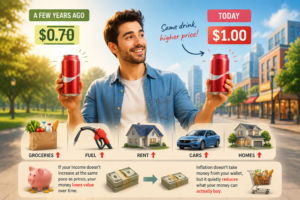
A few years ago, you could walk into your favorite grocery store and buy a can of cola for 70 cents. Today, that same can might cost $1. The cola didn’t suddenly become better—but its price increased because of inflation.
The same thing happens with almost everything we buy. Groceries become more expensive, fuel prices rise, rent goes up, cars cost more, and even buying a home becomes harder. If your income doesn’t increase at the same pace as prices, your money loses value over time.
This is why inflation is often called the silent thief. It doesn’t take money directly from your wallet, but it quietly reduces what your money can actually buy.
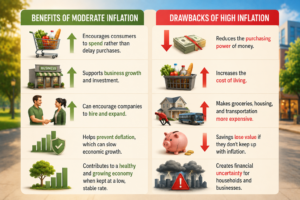
Not all inflation is bad, though. A low and stable inflation rate is considered a normal part of a healthy economy because it encourages spending, investment, and economic growth. The real problem begins when inflation rises too quickly or remains high for a long period, making everyday life more expensive for everyone.

How Does Inflation Affect Everyday People?
How does inflation affect everyday people? The short answer is that inflation makes everyday life more expensive by reducing the purchasing power of your money. As prices rise, the same paycheck can no longer buy the same amount of groceries, gas, clothing, or other essentials.
Whether you’re buying food for your family, filling up your car, paying rent, or saving for a home, inflation affects almost every financial decision you make. If your income doesn’t grow as quickly as prices, your standard of living can gradually decline because your money simply doesn’t go as far as it used to.
How does inflation affect everyday people in real life? It often starts with small price increases that seem harmless at first. Your weekly grocery bill is a little higher. Your electricity bill costs more than last month. Filling your gas tank becomes more expensive. Then, over time, these increases add up, putting more pressure on your monthly budget.
For many people, inflation doesn’t mean spending more, it means getting less for the same amount of money. You may have to buy fewer groceries, postpone buying a new car, delay purchasing a home, or cut back on vacations, entertainment, and other non-essential expenses.
This is why inflation is often called the silent thief. It doesn’t take money directly from your wallet. Instead, it quietly reduces your purchasing power, making everything around you more expensive while your money buys less and less over time.
In the following sections, we’ll explore exactly how inflation affects everyday people, from grocery shopping and housing costs to wages, savings, loans, and even your future financial goals.
How Does Inflation Affect Everyday People?
Here are the biggest ways inflation affects everyday people:
1. Reduced Purchasing Power
Reducing the purchasing power of the money. Purchasing power refers to how much your money can buy. As prices increase, the same amount of money buys fewer goods and services than before. Even if your income stays the same, your money gradually becomes less valuable because it doesn’t stretch as far.
2. Higher Grocery Bills
One of the first places most people notice inflation is at the grocery store. Everyday essentials like bread, milk, eggs, meat, fruits, and vegetables become more expensive, increasing the weekly food budget for many households. Families often respond by buying fewer items, choosing lower-cost alternatives, or cutting back on non-essential purchases.
3. Rising Housing Costs
Inflation can increase the cost of renting a home, buying a house, or maintaining a property. Rising prices for construction materials, labor, and financing often push home prices and rents higher, making housing less affordable.
4. More Expensive Transportation
Fuel prices, vehicle maintenance, insurance, public transportation, and even airline tickets can become more expensive during periods of inflation. These higher transportation costs also increase the cost of delivering goods, which can contribute to higher prices across the economy.
5. Higher Utility Bills
Inflation can lead to higher costs for electricity, natural gas, water, and internet services. As these essential monthly expenses increase, households have less money available for savings or discretionary spending.
6. Wages May Not Keep Up with Inflation
Although some employers increase salaries over time, wage growth doesn’t always keep pace with inflation. When prices rise faster than wages, people’s real income declines, making it harder to maintain the same standard of living.
7. Savings Lose Value Over Time
If inflation rises faster than the interest earned on your savings, your money loses purchasing power over time. Although the balance in your account may grow, it may not be enough to keep up with rising prices.
8. Higher Borrowing Costs
Central banks often raise interest rates to slow inflation. As borrowing becomes more expensive, loans for homes, cars, and credit cards typically come with higher interest rates, increasing monthly payments for many households.
9. Changes in Spending Habits
As the cost of living increases, people often adjust their budgets. Many households delay major purchases, compare prices more carefully, shop for discounts, and reduce spending on non-essential items like entertainment, travel, and dining out.
10. Greater Financial Uncertainty
Periods of high inflation create uncertainty for both consumers and businesses. Families may worry about future expenses, while businesses may delay hiring or investment because costs become harder to predict.
Who Is Most Affected by Inflation?
Now that you know how does inflation affect everyday people, you might be wondering whether everyone feels its effects in the same way…Inflation affects everyone, but some people feel its impact more than others depending on their income, spending habits, savings, and financial situation.
People with Fixed Incomes
Retirees and people living on fixed incomes are often among the hardest hit by inflation. If their pension or monthly income stays the same while prices continue to rise, their purchasing power declines, making it harder to afford everyday essentials.
Low-Income Households
Low-income families usually spend a larger portion of their income on necessities like food, housing, transportation, and utilities. Because these essentials often become more expensive during periods of inflation, they have less flexibility to adjust their budgets.
Savers
People who keep most of their money in cash or low-interest savings accounts may see their purchasing power gradually decline. If inflation rises faster than the interest earned on their savings, their money loses real value over time.
Borrowers
Inflation can have mixed effects on borrowers. People with existing fixed-rate loans may benefit because they repay their debt with money that has less purchasing power. However, anyone applying for a new mortgage, car loan, or personal loan may face higher interest rates, making borrowing more expensive.
Workers
Employees may receive salary increases over time, but these increases don’t always keep pace with inflation. If wages grow more slowly than prices, their real income falls, meaning they can afford fewer goods and services even if they earn more money than before.
Businesses
Businesses are also affected by inflation. As the cost of raw materials, transportation, energy, and labor rises, many companies increase the prices of their products and services to cover these higher costs. In many cases, those additional costs are ultimately passed on to consumers.
As you can see, how does inflation affect everyday people depends on each person’s financial situation. While everyone experiences higher prices, the impact can be much greater for households with limited income or savings.
Can Inflation Ever Be Good?
Although inflation often gets a bad reputation, it isn’t always a bad thing. In fact, low and stable inflation is generally considered a sign of a healthy economy. Many central banks aim for a modest inflation rate because it can support economic growth and encourage spending and investment.
The key is keeping inflation under control. When inflation rises too quickly or remains high for a long time, it can reduce purchasing power and make everyday life more expensive.
How Does Inflation Affect Everyday People?
7 Ways to Protect Your Money
Although inflation is a normal part of the economy, there are practical steps you can take to reduce its impact on your finances and protect your purchasing power over time.
1. Create and Stick to a Budget
The first step in fighting inflation is knowing exactly where your money goes. Tracking your income and expenses helps you identify unnecessary spending and adjust your budget as the cost of living increases.
2. Build an Emergency Fund
Unexpected expenses become even more difficult to manage during periods of high inflation. Having an emergency fund can provide financial security and reduce the need to rely on high-interest debt.
3. Reduce High-Interest Debt
Paying off credit cards and other high-interest loans can help you avoid paying even more as interest rates rise. The less debt you carry, the more flexibility you’ll have when prices increase.
4. Shop Smarter
Compare prices before making purchases, take advantage of discounts, buy during sales, and consider lower-cost alternatives. Small savings on everyday purchases can make a big difference over time.
5. Increase Your Income
If possible, negotiate a salary increase, develop new skills, start a side business, or look for additional income sources. Growing your income can help offset the impact of rising prices.
6. Consider Investing for the Long Term
One of the most common ways people try to protect their purchasing power is by investing in financial markets. While no investment is guaranteed, assets such as stocks, exchange-traded funds (ETFs), bonds, real estate, and even commodities have historically helped many long-term investors keep pace with or outgrow inflation. Before investing, it’s important to understand the risks involved and choose investments that match your financial goals and risk tolerance.
7. Think Long Term
Inflation is unavoidable, but it doesn’t have to derail your financial future. Regularly reviewing your budget, saving consistently, making informed investment decisions, and planning for the future can help you stay ahead of rising prices.
The best way to protect yourself from inflation is to stay informed and make smart financial decisions. While you can’t control inflation, you can control how you prepare for it and respond to its effects.
Wrap-up
So, how does inflation affect everyday people? As you’ve seen throughout this guide, inflation quietly reduces your purchasing power, making everyday life more expensive and gradually stealing what your money can buy.
Now, here’s the real deal.
There are many ways to manage the effects of inflation, but from my point of view, investing is one of the most effective long-term ways to protect your purchasing power. While no investment can guarantee profits or completely eliminate the effects of inflation, learning how financial markets work can help you grow your money instead of watching its value slowly decline.
The best part? You don’t have to risk real money from day one.
You can start with a free demo account, practice trading in real market conditions using virtual funds, build your confidence, and develop your skills before moving to a live account when you feel ready.
Don’t wait until inflation quietly steals more of your purchasing power. Start learning, keep improving your financial knowledge, and take the first step toward building a stronger financial future today.