Is the market misjudging meta? Between the AI craze and the opportunities of forgotten companies.
The terms “divided market” or “two-track market” have become increasingly common in financial markets in recent years, referring to a situation where liquidity and investments flow into a limited group of stocks, while other sectors and companies remain largely overlooked by investors despite possessing strong fundamentals. Many investors believe that the US stock market is currently experiencing a clear example of this division, with major artificial intelligence companies continuing to attract the majority of investment flows and achieve new record highs, while other companies face intense selling pressure and relatively low valuations.
Over the past two years, companies directly benefiting from the artificial intelligence boom have led the global market rally, with capital flowing into chip, computing infrastructure, and AI stocks. This intense focus has widened the gap between top performers and underperformers, prompting some investors to warn of a repeat of past market phenomena where investors chased high performance without considering valuations or future risks.
Some cite what happened with ArcInvest funds during the innovation stock boom in 2021, when the funds attracted billions of dollars amid widespread optimism about revolutionary companies, before later suffering major collapses that cost investors huge losses.
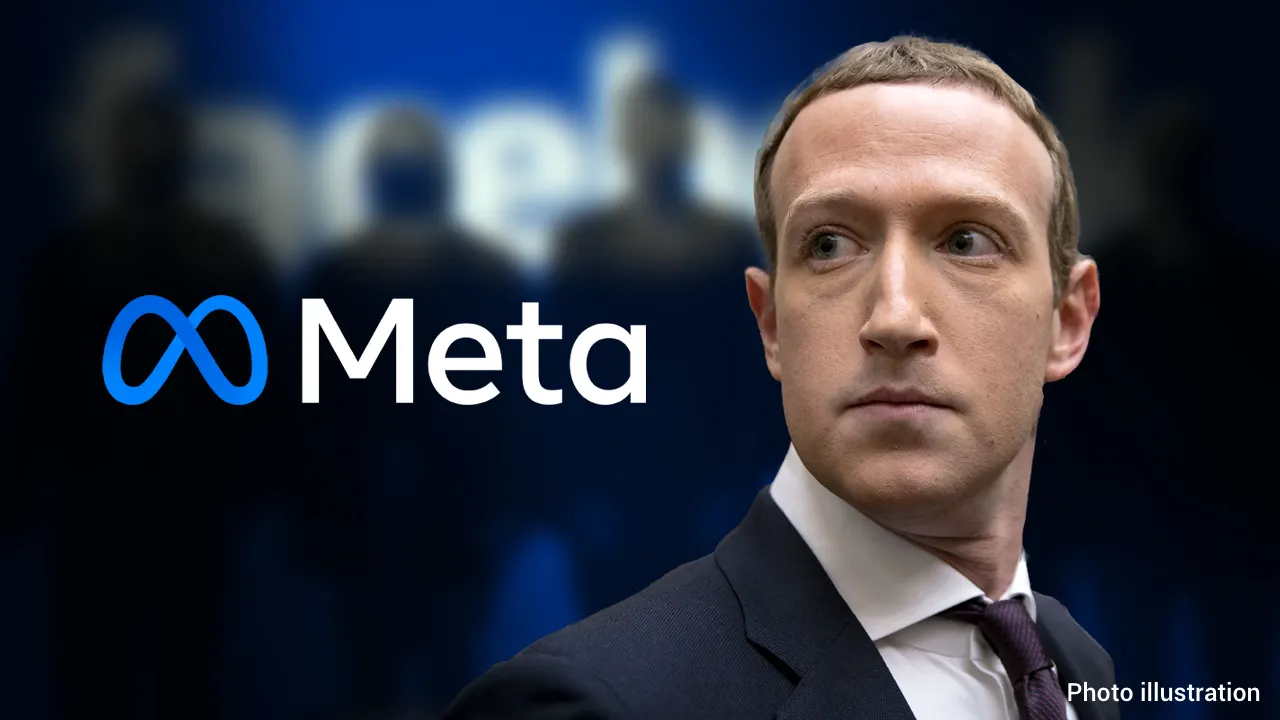
Conversely, some investors believe that Meta has become one of the most overlooked companies in the current market. Its stock has declined by approximately 10% since the beginning of the year and by more than 16% over the past twelve months, while its gains over the last five years have lagged behind those of many major technology companies and key market indices. This poor performance has led to widespread pessimism surrounding the company, despite its continued strong profits and substantial cash flow compared to most other companies in the sector.
One of the main reasons for the negative perception of Meta is the frequent reports of declining morale within the company. Over the past few months, numerous reports have surfaced detailing employee dissatisfaction with the restructuring of AI teams, layoffs, and organizational changes. Meta executives have acknowledged internal challenges related to the restructuring, further fueling concerns about the company’s work culture and its ability to retain talent.
On the other hand, some investors believe that markets often overreact to the internal working environment when it comes to a stock’s performance, citing similar cases experienced by companies such as Netflix, Shopify, and Google during periods of stock market decline, before the overall outlook improved as financial performance returned to growth.
However, the company explained that the decline was due to exceptional circumstances, including internet outages in Iran and restrictions on WhatsApp access in Russia, while emphasizing that organic use of its main apps continued to grow. According to the company’s data, usage and engagement rates continued to rise on Facebook and Instagram, while Threads surpassed 500 million monthly active users, solidifying its position as a major competitor to X.
At the same time, the company faces increasing regulatory pressure regarding the protection of teenagers and young users, prompting it to launch new parental control tools that give parents more control over their children’s use of social media platforms. Some analysts believe these measures could ultimately become a strength for the company by improving its image with advertisers and regulators and raising the bar for smaller competitors.
The most controversial aspect remains Meta’s massive capital expenditure on building advanced AI infrastructure. The company is spending tens of billions of dollars on data centers, supercomputing, and developing its own intelligent models, raising concerns among investors about the expected return on these investments. Unlike companies such as Google, Amazon, and Microsoft, Meta does not have a large cloud computing business that generates direct revenue from these investments, making it more difficult to convince investors.
But the company’s management believes that owning its own infrastructure and models gives it strategic independence and spares it from relying on companies like OpenAI, Anthropic, or Google in building its future products.
Despite these concerns, MetaTrader’s stock is trading at price-to-earnings (P/E) ratios lower than the US market average and significantly lower than those of major tech companies. While the S&P 500 trades at a forward P/E ratio of nearly 21, and the Nasdaq 100 trades at even higher levels, MetaTrader’s is considerably lower.
Supporters of the stock argue that the market is currently focused on short-term negative news, while ignoring the strength of the underlying business model, the size of the cash flows, and the long-term opportunities to benefit from AI investments.
In contrast, Meta continues to expand its presence in the smart glasses market through its partnership with Ray-Ban, benefiting from a design closer to traditional consumer products.