
Table of Contents
Step-by-Step Guide to Recovering from Trading Losses
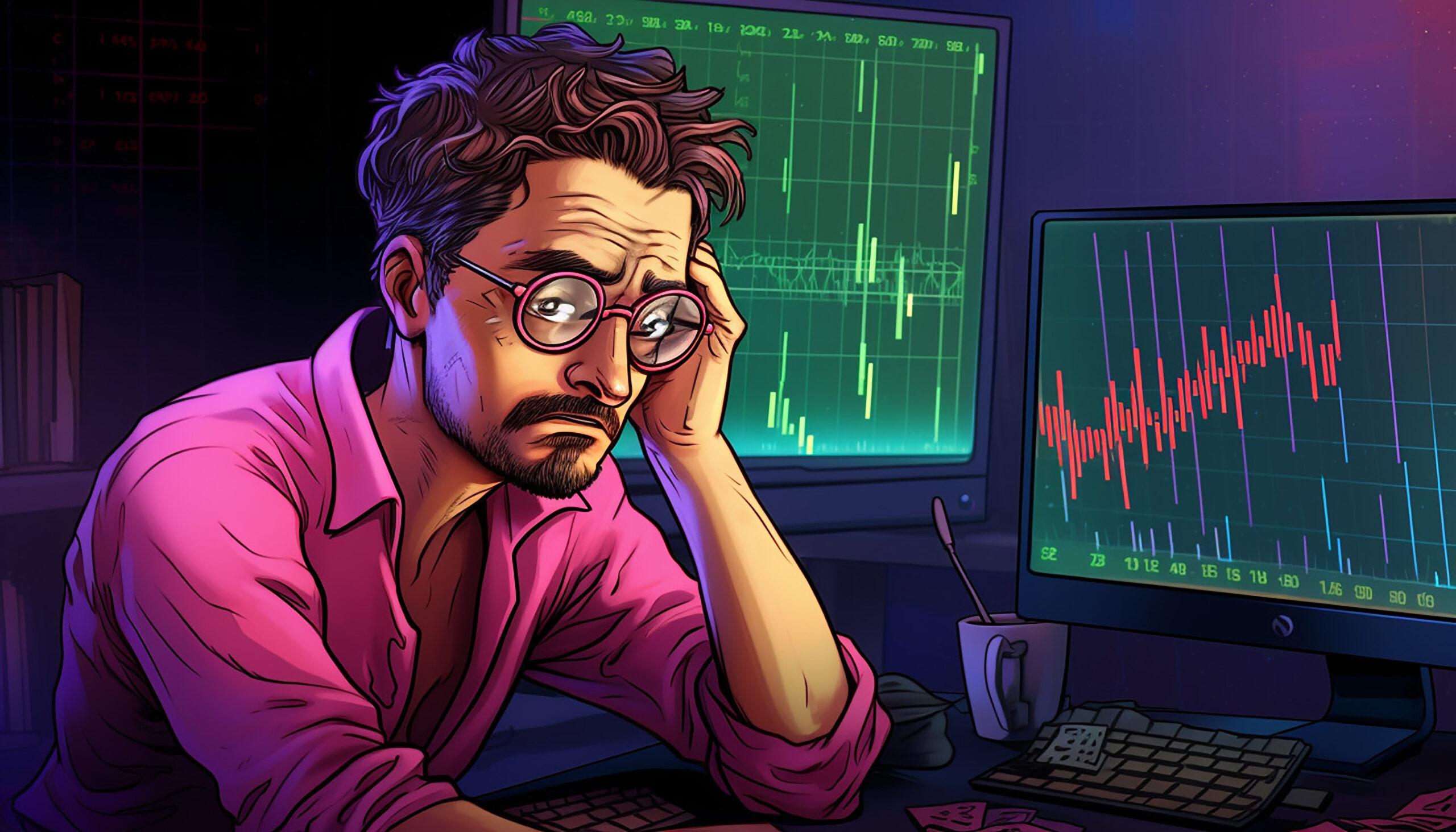
Trading losses are the painful side of the financial markets that nobody likes to talk about. We all know that after trading losses hit your account, you may feel frustrated, angry, and overwhelmed by the urge to recover your money immediately. Your emotions can change quickly when you lose, and most traders start asking themselves the same questions:
- Why did I lose?
- Was it my fault?
- Can I recover quickly?
The truth is simple: trading losses are a normal part of the process. Even professional traders experience drawdowns. What separates successful traders from unsuccessful ones is not avoiding losses — but how they recover from them!
In this article, we’ll walk you through a practical, step-by-step roadmap to help you recover both mentally and financially after trading losses.
Let’s Dive in,

Why Do Trading Losses Happen?

Before learning how to recover, you need to understand why trading losses happen in the first place. Most trading losses come from a combination of these factors:
Common Causes of Trading Losses
-
Lack of a Trading Plan
Many traders enter the market without a clear strategy. They rely on intuition, tips, or luck instead of a structured system.
-
Poor Risk Management
Failing to use stop-loss orders or risking too much capital on one trade can quickly damage an account.
-
Emotional Decision-Making
Fear, greed, and revenge trading often cause traders to:
- Hold losing trades too long
- Close winning trades too early
- Enter impulsive positions
Taking too many trades is often a reflex to recover from trading losses, and that’s simply will lead to increases costs and mistakes.
-
Lack of Knowledge and Discipline
Trading without understanding market behavior turns trading into gambling.
-
Failure to Adapt
Markets change constantly. Strategies that worked before may stop working.
-
Chasing Price
One of the biggest mistakes beginners make is chasing price. Many day traders jump into a trade just because a price is moving up quickly or after seeing green candles or a breakout to a new high. Entering too late or based on fear of missing out often leads to losses.
Technical Causes of Trading Losses
| Technical Cause | What It Means | How It Leads to Losses |
|---|---|---|
| Chasing Price Instead of Reading Flow | Entering trades because the price is moving, without understanding real buying or selling pressure | Traders often enter too late, get caught in reversals, and exit at a loss |
| Lagging Indicators | Using tools like RSI, MACD, or moving averages that reflect past price action | Signals arrive too late, leading to mistimed entries or exits |
| Trend Misalignment | Trading against the dominant market direction | Trades lose due to early exits or failed moves |
| High Leverage | Using excessive leverage on positions | Amplifies even small losses into large drawdowns |
| Poor Risk Controls | No stop-losses or oversized positions | Small mistakes become account-threatening losses |
| Ignoring Market Context | Trading without awareness of news, volatility, or market structure | Unexpected moves can cause slippage, failed breakouts, or sudden reversals |
The Psychological Impact of Trading Losses

Trading losses affect more than your account, they impact your mind. Understanding the psychological effects is essential for recovering and improving your performance.
-
Frustration from Trading Losses:
Seeing your account shrink can be frustrating, making it harder to focus on your strategy for future trades.
-
Anger or Regret:
Traders often replay mistakes in their head, thinking “I shouldn’t have entered” or “I should have exited sooner,” leading to impulsive decisions.
-
Fear of Further Losses:
Hesitation or overcautious behavior can prevent traders from taking calculated opportunities.
-
Urge to Recover Quickly (Revenge Trading):
Immediate attempts to recoup losses can push traders to overtrade or take excessive risks.
-
Self-Doubt:
Losing money may make traders question their ability, lowering confidence and adherence to a trading plan.
-
Relief When Losses Are Controlled:
Well-managed trading losses, thanks to stop-losses and risk management, can lead to relief instead of panic, highlighting the importance of disciplined risk controls.
Step-by-Step Guide to Recover from Trading Losses

Step 1:
Accept the Loss Without Self-Blame
The first step in recovery is acceptance. Many traders deny losses or blame the market. This prevents learning and often leads to repeated mistakes.
Instead:
-
Acknowledge the loss honestly
-
Record it in your journal
-
Separate your self-worth from your trading results
Step 2:
Pause Before Trading Again
One of the biggest dangers after trading losses is revenge trading. The urge to win money back immediately can lead to:
-
Oversized positions
-
Impulsive decisions
-
Larger losses
The smartest move: Step away temporarily to reset emotionally, rest your mind, and gain perspective.
Step 3:
Analyze What Went Wrong
Ask yourself:
-
Did I follow my strategy?
-
Was my position size too large?
-
Did I ignore my stop-loss?
-
Was the trade emotional or planned?
Tip: A trading journal is extremely valuable because it reveals patterns over time.
Step 4:
Rebuild Your Mindset
After trading losses, confidence often drops. Negative thoughts like:
“I’m not good enough.” “I’ll never recover.” can damage future performance.
Professional traders treat losses as lessons, not failure.
Focus on:
- Process over results
- Discipline over emotions
- Long-term growth over short-term outcomes
Step 5:
Reset Your Risk Management
Capital preservation becomes the top priority after losses.
Tips:
- Reduce position size (risk 0.5%–1% temporarily)
- Set daily loss limits
- Use strict stop-loss rules
Step 6:
Start Small to Rebuild Confidence
Recovery is not a race. Trade smaller than usual until:
-
Emotions stabilize
-
Discipline improves
-
Confidence returns
-
Each well-executed trade rebuilds psychological strength.
Step 7:
Learn and Improve Your Strategy
Losses often reveal weaknesses in your system. Ask yourself:
- When does my strategy work best?
- When does it fail?
- Am I trading market conditions that don’t suit me?
- Adapt your approach while keeping risk management rules tight.
Step 8:
Think Long-Term
Successful traders think in terms of:
-
Hundreds of trades
-
Months and years
-
Career longevity
One losing period does not define your future. Progress in trading often looks uneven but trends upward over time with discipline.
The Role of Risk Management in Preventing Trading Losses

Risk management is the foundation of long-term success in trading , more important than strategy alone. Without it, even the best systems can fail and lead to devastating trading losses.
Key Risk Management Principles
-
Limit Risk per Trade: Experienced traders rarely risk more than 1%–2% of total capital.
-
Use Stop-Loss Orders: Mechanically prevent emotional decisions from causing bigger losses.
-
Maintain a Healthy Risk-Reward Ratio: Ensure potential profit is at least twice the possible loss (1:2).
-
Diversify Exposure: Spread risk across assets, timeframes, or strategies.
-
Set Daily/Weekly Loss Limits: Use circuit breakers to protect capital and emotions.
Controlling losses before entering trades ensures your capital survives long enough to refine your edge.
What Successful Traders Do Differently to Minimize Trading Losses

Successful traders stand out not just for what they trade, but how they behave.
Key Habits of Winning Traders
-
Trade Only When Conditions Align: Wait for setups that meet strict criteria.
-
React to Market Behavior, Not Predict It: Focus on confirmed moves rather than guessing tops/bottoms.
-
Consistent Review and Adjustment: Learn from losses and refine strategies continuously.
-
Discipline Over Emotion: Stick to rules; never chase revenge trades.
-
Know Their Limits: Avoid trading after losses, during news, or when setups are weak.
Frequently Asked Questions About Trading Losses

-
Why are trading losses so common?
Trading losses are normal because financial markets are unpredictable. Poor risk management, emotional decisions, and lack of preparation make losses inevitable—even for experienced traders. -
How should I mentally view trading losses?
See losses as learning opportunities, not failures. Analyze mistakes, refine strategies, and treat each loss as market tuition. -
How can I recover emotionally after a trading loss?
Pause, step back, journal your thoughts, and maintain emotional balance to prevent fear or frustration from affecting future trades. -
What are the main causes of trading losses?
Chasing price, ignoring risk management, trading impulsively, and neglecting market context. -
How do I rebuild confidence after trading losses?
Start small, follow a structured plan, set realistic goals, and execute proper risk management consistently. -
What role does emotional discipline play in avoiding losses?
It prevents impulsive trades, keeps you aligned with your plan, and reduces fear and greed—critical for long-term success. -
How can journaling help after trading losses?
Reveals patterns, tracks mistakes, and improves decision-making by making trading more objective. -
How do I prevent revenge trading after a loss?
Set strict daily loss limits, take breaks after big losses, and stick to your risk management rules. -
Can mentorship or coaching help recover from trading losses?
Yes. Expert guidance provides feedback, actionable strategies, and helps avoid repeating mistakes. -
How can I improve my trading skills without risking money?
Use backtesting, paper trading, or simulations to practice strategies and analyze markets without financial exposure. -
What’s the best way to limit future trading losses?
Follow a structured trading plan, apply proper risk management, and review trades regularly to refine your strategy. -
How long does it take to recover from trading losses?
Recovery depends on discipline, risk management, and emotional control. With proper steps, most traders regain confidence within weeks to months. -
Are trading losses more about strategy or psychology?
Both matter, but psychology often drives repeated losses. Mastering emotions is as important as mastering the strategy. -
How do professional traders handle trading losses?
They accept losses, follow strict risk rules, analyze mistakes objectively, and never tie self-worth to account balance.
Wrap-Up
Trading losses are inevitable — no trader avoids them entirely. The key is learning to manage losses, adjust strategies, and recover both mentally and financially. Losses are not the end of your trading career; they are a natural part of the learning process.
If you feel doubt or emotional fatigue, pause and take a break. You can also practice in a demo account to rebuild confidence safely, without risking real money. Remember, discipline, risk management, and a long-term mindset are your allies in turning losses into learning opportunities and paving the path toward consistent success.