
Operation: A focused and targeted strike
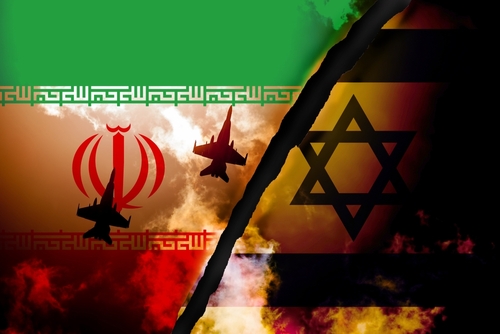
According to official statements, the US strikes targeted sites considered vital to Iran’s nuclear program, including the Natanz facility and other sites that had not been announced at the time of writing. This operation came as part of a joint military operation with Israel, which is already engaged in a protracted confrontation with Iran amid escalating tensions on several fronts in the region.
The US decision to directly engage represents a qualitative shift in the conflict, effectively ending the US policy of caution toward direct engagement with Tehran and opening the door to a new wave of geopolitical uncertainty.
Initial reactions: Markets are feeling the heat… and cryptocurrencies are affected.
With most global markets closed for the weekend, the immediate reaction was limited to cryptocurrencies. Ethereum fell more than 5%, while Bitcoin fell by nearly 1%. However, experts expect traditional markets to be in for a shock at the opening, with expectations of a sharp rise in oil prices and a decline in global risk appetite.
Readings and analyses from the heart of the financial community:
Mark Spindle – Chief Investment Officer at Potomac River Capital:
“Markets will be anxious, and oil prices will open higher. The lack of clarity about what will happen next will create a wave of uncertainty and volatility. All Americans are now directly exposed. This is not over yet; we are now part of the confrontation.”
“Oil will inevitably rise initially, but it may stabilize after a few days. What happened was an overwhelming show of force that led to Iran losing any negotiating ability. This may push it to flee toward a peace agreement.”
“From a market perspective, this is positive news. If we consider the strike to be ‘one and done’ and not the beginning of a long conflict, uncertainty will decrease. But the Strait of Hormuz remains the biggest risk, and it could turn the tables if closed.”
“This is a complex and dangerous development in the global landscape. It will impact energy prices and may increase inflationary pressures globally.”
“This attack may force Iran to back down and accept a peace agreement that would de-escalate tensions and lower oil prices. But the most likely scenario is an Iranian escalation that includes targeting American infrastructure in Iraq or harassing shipping in the Strait of Hormuz. Iran’s response will determine whether we are headed toward $100-per-barrel oil.”
Regional and international repercussions:
Rong Ren Goo – Portfolio Manager at Eastspring Investments – Singapore:
“This event heralds a new era of geopolitical risk, and Washington’s direct involvement will prolong tensions. Asian markets, which are more vulnerable to energy price fluctuations, may face strong inflationary pressures, impacting growth and altering risk pricing.”
“I expect an immediate jump in oil prices to above $80 as soon as trading reopens. The choice of Saturday for the attack appears not to have been a coincidence, but rather to postpone the market shock until Monday.”
“In the event of nuclear or radiological fallout, all possibilities are open. The Iranian regime may consider it has nothing left to lose and will act recklessly, perhaps launching strikes against embassies or vital facilities.”
“As long as the strikes are focused and do not hit Iran’s oil export capabilities, the economic impact may remain limited. A temporary spike in oil prices will not significantly change Fed policy, unless the rise is sustained.”
Future possibilities: What might happen next?
Although the US rhetoric described the operation as “over,” the strategic landscape remains open. Anticipation reigns, especially given the potential Iranian response, which could include:
- Missile or drone attacks against US or Israeli bases in the region.
- An escalation in the Strait of Hormuz could disrupt oil shipments and send prices skyrocketing.
- Subversive or terrorist acts by Iranian agents in the region.
Conclusion: A New Era of Uncertainty and Danger
The US strike on Iran’s nuclear facilities is not just a military operation; it is a watershed moment in the history of regional conflict. Washington’s direct intervention changes the rules of the game, placing the world on the cusp of a period filled with fluctuations and open questions. How will Tehran respond? And when? Are we facing a short bout of escalation… or the beginning of a long-term conflict that will redraw the map of the Middle East and global energy markets? The coming weeks will provide the answer, but what is certain so far is that markets are in for a shock, and the Middle East is once again igniting.