
Table of Contents
Overtrading: What It Is and How to Avoid It?
Overtrading is a term you must know if you are an active trader, I know what you’re thinking… You’ve been learning, reading, and improving your skills, and now you probably feel like you’re becoming a good trader. And honestly, that’s a great feeling. After all the effort you’ve put into educating yourself and trying to stay on the right track, who wouldn’t feel more confident?
But here’s something many traders don’t realize… One of the most common problems traders face is something called overtrading.
You may have heard the term before, or maybe this is your first time encountering it. Either way, overtrading is a serious issue that can quietly damage your performance, your psychology, and even your trading account if you’re not aware of it.
That’s exactly why today we’re going to cover everything you need to know about overtrading.

Let’s dive in.
What Is Overtrading?
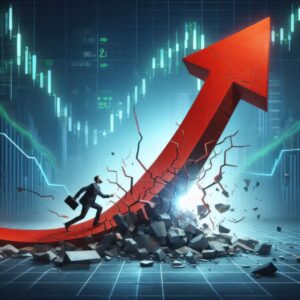
Overtrading happens when a trader places too many trades compared to their strategy, capital, or real market advantage.
In simple terms, it means:
-
Opening too many positions
-
Trading more frequently than your strategy allows
-
Using too much money on a single trade
Note:Overtrading is also sometimes called churning.
Important things to consider:
-
Individual traders are not legally restricted from overtrading, but it can harm their portfolio.
-
Brokers, on the other hand, can face legal consequences if they overtrade client accounts.
-
Even though overtrading isn’t illegal for individuals, it can increase risk, costs, and emotional stress, reducing overall trading performance.
Common Types of Overtrading

Discretionary Overtrading
- No clear rules for position size
- Flexible leverage without discipline
- Often leads to losses
Technical Overtrading
- Trader decides first, then looks for indicators to justify
- Confirmation bias
- Systematic mistakes over time
Shotgun Overtrading
- Many trades opened at once
- No clear plan for each trade
- Trader cannot explain trade decisions
Why Overtrading Happens?
Overtrading typically occurs when traders ignore their strategy rules and let emotions or convenience drive their trading decisions.

Common causes include:
-
Emotional Reactions to Losses:
Trying to recover money quickly after a losing trade
-
Fear of Missing Out (FOMO):
Feeling that opportunities are everywhere and rushing into trades in fast-moving markets
-
Excitement or Thrill-Seeking:
Entering trades without proper analysis simply because the market is active
-
Greed:
Attempting to increase profits after winning trades
-
Boredom or Lack of Rules:
Trading just to stay active when there is no clear setup
-
Easy Access to Trading Platforms:
Low commissions make frequent trading seem harmless
-
Lack of a Structured Plan:
Without rules, traders replace discipline with impulsive activity
Risks of Overtrading
| Risk | What It Means | Impact on Trader |
|---|---|---|
| Higher Transaction Costs | More trades → more spreads & fees | Reduces profits quietly |
| Decision Fatigue | Too many decisions in a short time | More mistakes |
| Market Noise Exposure | Trading small price movements without an edge | Lower probability of winning trades |
| Emotional Escalation | Rapid wins & losses | Poor discipline, impulsive decisions |
| Capital Drawdowns | Losing streaks combined with high activity | Harder recovery, larger losses |
Overtrading vs Active Trading
| Active Trading | Overtrading |
|---|---|
| Strategy-based | Emotion-based |
| Planned entries | Impulsive entries |
| Controlled risk | Random risk |
| Intentional frequency | Excessive frequency |
| Structured process | No clear structure |
How to Avoid Overtrading

-
Define Clear Entry and Exit Rules:
Only trade when conditions meet your strategy criteria
-
Limit the Number of Trades:
Set a maximum trades per day or session
-
Use Pre-Trade Justification:
Write down why you are entering the trade before executing
-
Focus on Quality Over Quantity:
One high-quality trade is better than many random ones
-
Take Breaks from Screens:
Continuous chart watching increases temptation
-
Review Your Trades:
Analyze whether trades followed your plan, not just profit or loss
Early Warning Signs 
-
Increasing trade frequency without improving results
-
Entering trades outside your planned strategy or setup
-
Feeling mentally exhausted after trading sessions
-
Difficulty staying patient when you don’t have an active position
-
Constantly checking market prices throughout the day
-
Trading based on unverified tips or social media advice
-
Feeling anxious, restless, or the need to always stay active in the market
-
Experiencing emotional frustration during trading
Overtrading and Your Trading Style
| Trading Style | Typical Trade Frequency | When It’s Normal | When It Becomes Overtrading | Example Scenario | How to Stay Balanced |
|---|---|---|---|---|---|
| Scalping | Very high (many trades per day) | Entering multiple trades daily is expected because scalpers target small price movements | Taking trades without setups, increasing lot sizes impulsively, or trading outside your session plan | A scalper placing 15–20 trades during active market hours with strict rules → Normal | Use strict entry criteria, predefined risk per trade, and session limits |
| Day Trading | Moderate (1–5 trades per day) | A few quality trades during the day based on clear setups | Jumping into every market movement or forcing trades after losses | A day trader opening 10+ trades daily without strong signals → Overtrading | Focus on quality setups and limit daily trades |
| Swing Trading | Low (a few trades per week) | Holding trades for several days to capture medium-term moves | Entering multiple trades daily due to impatience or FOMO | A swing trader opening new positions every day → Overtrading | Follow higher timeframe analysis and allow trades time to develop |
| Position Trading | Very low (few trades per month) | Long-term trades based on macro trends and fundamentals | Trading frequently like a day trader instead of waiting for major opportunities | A position trader executing several trades per day → Strong sign of overtrading | Stick to long-term analysis and ignore short-term noise |
Overtrading vs Undertrading
Undertrading often happens because traders are afraid of losing money or lack a clear plan.
| Overtrading | Undertrading |
|---|---|
| Too many trades | Too few trades |
| Excessive risk | Missed opportunities |
| Emotion-driven | Fear-driven |
| Ignoring strategy limits | Overly strict rules |
Risk Management: Your Shield Against Overtrading

It usually happens when emotions take over or traders ignore their own strategy. Risk management is a powerful tool to keep your trading disciplined, control losses, and prevent impulsive decisions. By setting clear limits and rules, it reduces the urge to make excessive trades.
Main Types of Trading Risk
| Risk Type | What It Means | Impact on Overtrading |
|---|---|---|
| Market Risk | Loss due to price movements | Traders may overtrade to chase gains; managing risk prevents chasing every market move |
| Liquidity Risk | Unable to buy or sell quickly | Helps avoid entering too many positions that are hard to exit |
| Systemic Risk | Entire financial system affected | Encourages careful position sizing, preventing overexposure |
Practical Risk Management Techniques to Avoid Overtrading
| Tool | How It Helps Prevent Overtrading |
|---|---|
| Maximum Risk per Trade | Limits the amount of capital at risk per trade. Traders are forced to choose quality setups instead of making random or impulsive trades |
| Risk-Reward Ratio | Ensures every trade has meaningful potential. Prevents excessive low-quality trades just to stay active in the market |
| Stop-Loss Orders | Automatically limits losses on each trade, reducing the urge to “chase” losses with more trades |
| Position Sizing Rules | Prevents overcommitting capital to a single trade or multiple trades, a key symptom of overtrading |
| Integration with Trading Plan | Forces every trade to follow pre-set rules, keeping trading aligned with strategy rather than emotions |
Key Takeaway: Risk management isn’t just about protecting your money—it’s about controlling your behavior. When you follow strict risk rules, you naturally trade less impulsively, stick to your strategy, and avoid the hidden dangers of overtrading.
Emotional Triggers That Lead to Overtrading

-
Fear of Missing Out (FOMO):
Entering trades too early or too late because you don’t want to miss a market move. Often causes poor risk-reward decisions and wider stop-losses
-
Revenge Trading:
Trying to quickly recover losses after a bad trade. Leads to overtrading, excessive leverage, and risking your entire account
-
Overconfidence After Wins:
Feeling like you “cracked the market” after a winning streak. Can make you ignore your rules, take too many trades, and increase losses
Real-Life Examples
Example 1
The Impatient Day Trader
-
Starts with a $5,000 trading account
-
Makes multiple trades every hour chasing small market movements
-
Pays high cumulative fees and spreads
-
Ends up with minimal profits or even small losses due to costs
Example 2
The FOMO Investor
-
Reacts to every trending stock or hot tip on social media
-
Opens trades without any analysis or clear plan
-
Portfolio becomes cluttered with unmonitored positions
-
Gains and losses are inconsistent, leading to frustration and confusion
Example 3
The Revenge Trader
-
Suffers a losing trade in the morning
-
Attempts to immediately recover losses by opening several new positions
-
Overexposes capital and risks account balance
-
Emotional trading leads to further losses instead of recovery
Example 4
The Over-Active Swing Trader
-
Holds multiple positions intended for medium-term gains
-
Frequently buys and sells the same assets due to impatience
-
Transaction costs pile up
-
Misses out on long-term trends and steady growth
Practical Discipline Techniques
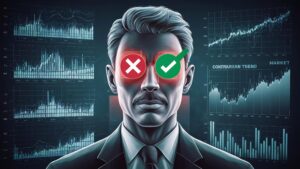
Trade Pause Technique
-
Pause before entering a trade
-
Ask whether the trade fits your plan
-
Check if emotions are influencing the decision
Staying Invested Strategy
-
Focus on fewer quality assets
-
Avoid constant switching between positions
-
Allow time for investments to develop
Performance Tracking Mindset
-
Measure overall portfolio performance
-
Focus on results rather than trade frequency
Wrap-up