
Table of Contents
How to Train Your Brain to Be a Better Trader?
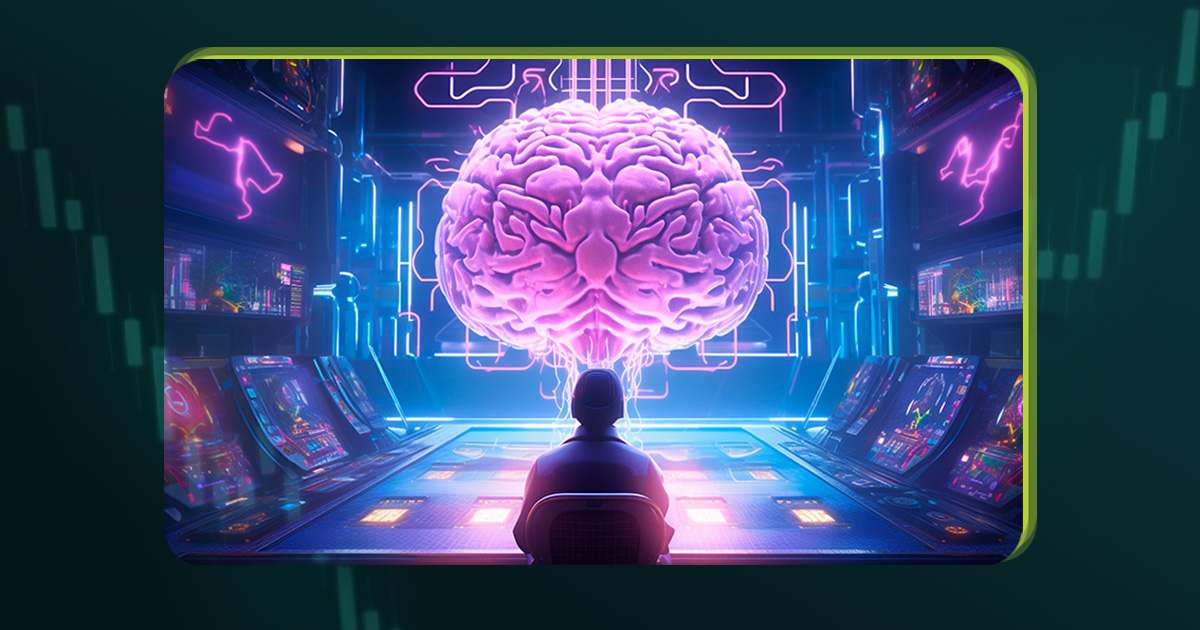
A Trader’s Mindset: How to Train Your Brain to Be a Better Trader? As we promised in our series on building wealth, this time we’re focusing on the most powerful trading tool we already have: our brain. If you’ve ever asked yourself why two traders can use the same strategy but get very different results, the answer often lies in mindset and psychology.
The way you think, react, and process emotions can make or break your success in the markets.
In this article, we’ll explore how to train your brain to trade smarter, strengthen your discipline, and build habits that support long-term profitability.
Let’s dive in,

What Does Trading Psychology Mean?
Trading psychology refers to the emotions, thoughts, and mental state that influence how traders make decisions in the financial markets. It’s not about the charts, indicators, or news it’s about how you react to them.
At its core, trading psychology is shaped by two powerful emotions:
- Fear:
Fear of losing money can make traders exit too early, avoid opportunities, or hesitate when they should act.
- Greed:
Greed can push traders to overtrade, risk too much, or hold positions longer than they should.
But trading psychology goes beyond fear and greed. It includes traits like discipline, patience, confidence, and resilience. These mental habits determine whether you can stick to your trading plan or whether you let emotions take control.
For example:
- Two traders use the same strategy. One follows the rules and grows steadily. The other panics during losses, breaks the plan, and ends up losing. The difference isn’t the system — it’s psychology.
In short, trading psychology is the mental framework that separates successful traders from inconsistent ones.
How to Train Your Brain to Be a Better Trader?
A Trader’s Mindset

The trader mindset refers to the set of beliefs, attitudes, and psychological traits that allow someone to trade effectively, even in stressful and uncertain market conditions. It’s not just about knowing what to do — it’s about being able to actually do it without emotions getting in the way.
Key Traits of a Strong Trader Mindset

-
Discipline
The ability to stick to a trading plan without second-guessing or breaking rules impulsively.
-
Patience
Waiting for the right setups instead of forcing trades out of boredom or FOMO.
-
Emotional Control
Managing fear, greed, and frustration so they don’t drive decisions.
-
Resilience
Accepting losses as part of the process and bouncing back without revenge trading.
-
Objectivity
Looking at the market with a clear, unbiased view, not based on personal hopes.
-
Consistency →
Executing trades the same way every time, regardless of market noise.
1. Why Trading Is 90% Psychology
- Charts and strategies matter, but mindset controls execution.
- Fear and greed are the two emotions that derail most traders.
- Without emotional control, even the best trading system fails.
2. Rewiring Your Brain for Success
- Your brain creates pathways based on repeated actions.
- Positive trading habits strengthen helpful neural connections.
- Repetition + discipline = hardwired trading confidence.
Practical Steps to Build a Trading Brain

- Have a routine: Start trading at set times, avoid impulsive entries.
- Journal every trade: Write your plan before entering and review afterward.
- Visualize success: Spend a few minutes imagining disciplined execution.
- Meditate: Reduce stress so your brain doesn’t default to emotional habits.
- Practice on a demo: Rewire behavior without risking money.
Common Psychological Trading Mistakes (beginners)
|
Mistake |
What It Looks Like | Why It’s Harmful | Better Approach |
|
Relying only on charts |
Focusing only on technical patterns and ignoring mindset |
Emotions still influence execution, leading to bad timing |
Balance technical analysis with emotional awareness |
|
Believing experience alone is enough |
Thinking years in the market will guarantee success |
Past habits may reinforce bad psychology |
Keep learning, self-analyzing, and improving discipline |
| Trading too big too soon | Entering large positions without practice |
Increases stress and emotional reactions, magnifying losses |
Start small, build confidence, and scale gradually |
| Chasing losses | Making impulsive trades to recover quickly | Leads to bigger losses and emotional burnout |
Pause, reset, and stick to your trading plan |
General Tips to Strengthen Trader Mindset
- Trade small until you build confidence.
- Use stop-loss orders to reduce fear.
- Take breaks — stepping away clears emotional clutter.
- Focus on process, not profit.
- Treat trading as a skill, not a gamble.
Common Psychological Traps Traders Fall Into (beyond beginners)
| Trap | What It Means | Impact on Trading | How to Avoid It |
| FOMO (Fear of Missing Out) | Jumping into trades because others are making money | Leads to buying at peaks and heavy losses | Stick to your trading plan, not hype |
| Overconfidence | Believing you can’t be wrong after a few wins | Causes oversized trades and reckless risk-taking | Stay humble, manage risk every time |
| Revenge Trading | Trying to win back losses quickly with aggressive trades | Often increases losses and frustration | Take a break, review mistakes calmly |
| Anchoring Bias | Fixating on a past price level or opinion | Stops you from seeing new opportunities | Stay flexible, adjust with new data |
| Confirmation Bias | Only seeking information that supports your view | Blinds you to risks and alternative outcomes | Challenge your own analysis regularly |
| Impatience | Entering or exiting trades too early | Misses bigger opportunities or causes small losses | Practice patience with set entry/exit rules |
Questions about trading psychology and answers

Q1: Why is psychology important in trading?
Because trading is emotional. Fear and greed often override logic, leading to poor decisions. A strong mindset helps keep emotions under control.
Q2: Can you train your brain to trade better?
Yes. Through repetition, journaling, visualization, and meditation, you can rewire your brain to act with discipline instead of emotion.
Q3: What is the biggest mental mistake traders make?
Overtrading and chasing losses. These come from emotional reactions rather than a disciplined plan.
Q4: How do I stay disciplined in trading?
By creating rules (entry, exit, risk per trade), sticking to them, and reviewing your trades regularly to stay accountable.
Q5: Is technical analysis enough without psychology?
No. Even the best strategy fails if your mindset isn’t prepared. Psychology ensures you can apply strategies consistently.
Wrap up
At the end of the day, trading success is less about the market and more about the mind. By training your brain — developing discipline, emotional control, and positive trading habits — you’ll build a mindset that can withstand the ups and downs of the financial markets.