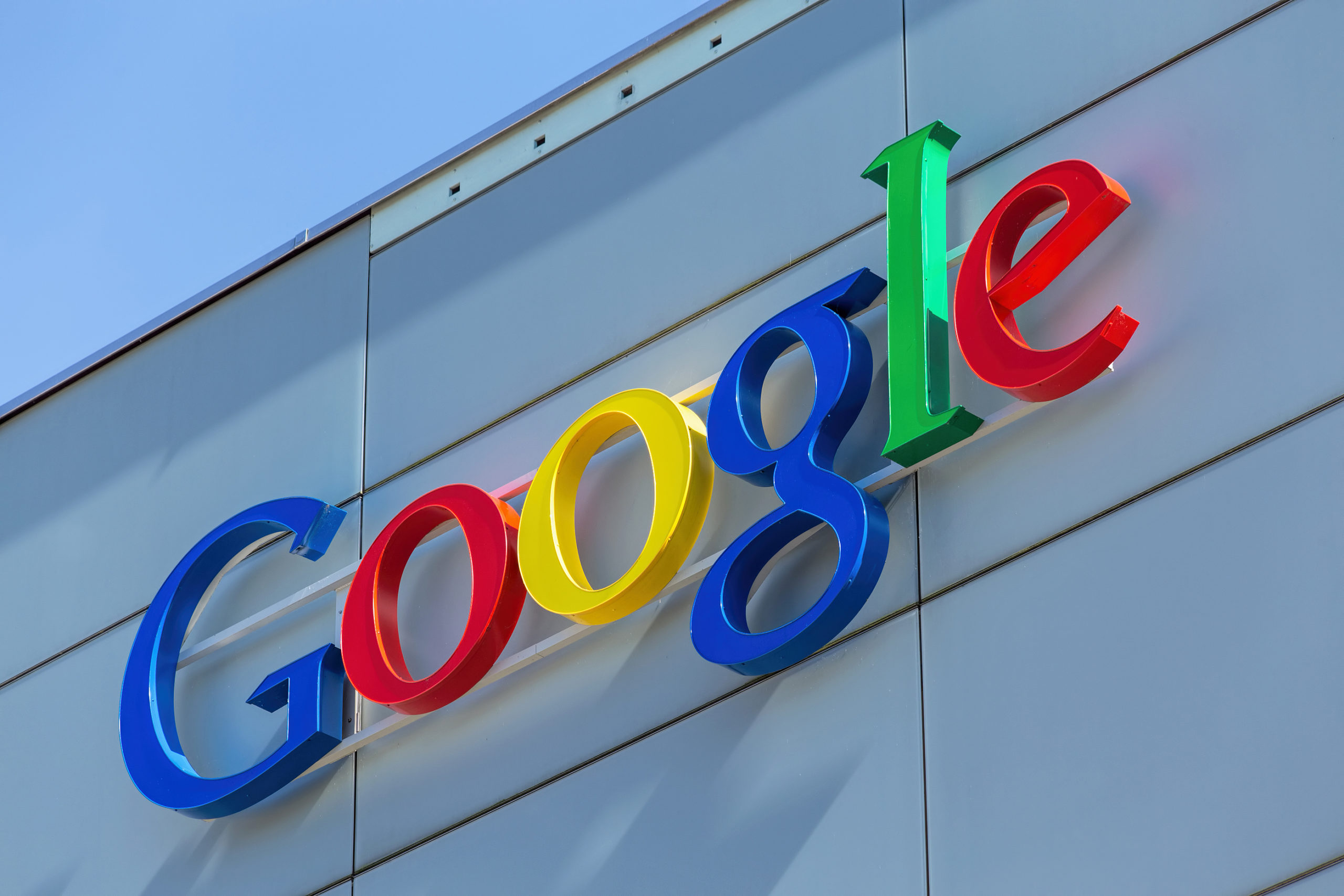
Google raises $80 billion to fund its AI expansion, while Berkshire Hathaway reinforces its commitment with $10 billion.
Shares of Alphabet, Google’s parent company, came under selling pressure in after-hours trading after it announced a massive $80 billion fundraising plan through a new share issue, a move that reflects the increasing scale of spending required to build its artificial intelligence infrastructure, but at the same time raised investor concerns about the impact of the capital expansion on the equity of existing shareholders.
The company’s shares fell by about 1% following the announcement, as investors typically view new share issuances cautiously due to the potential for diluting existing ownership stakes and reducing future earnings per share. The financing plan is structured across several instruments, including $15 billion in mandatory convertible preference shares, $15 billion in common shares through a public offering, and an additional $40 billion the company intends to raise through its planned “at-the-market” program, scheduled for later in 2026.
The announcement came as a surprise to the markets, especially since Alphabet’s management had hinted during its April earnings report at strong cash flows and a stable financial position, without indicating any intention to carry out a capital increase of this size, even though the company had already raised nearly $85 billion in debt during the past year.
Alphabet justifies this move by the need to accelerate the building of its artificial intelligence empire, as the current technological race requires huge investments in data centers, advanced chips, communication networks, and computing capabilities needed to train and operate more complex AI models.
In this context, the company expects its capital expenditures to range between $180 billion and $190 billion during 2026, with warnings that these figures could rise even further in 2027, levels of spending that are huge even by the standards of giant technology companies.
Conversely, not everyone reacted to the news with the same level of caution. Berkshire Hathaway demonstrated clear confidence in Alphabet’s future prospects by agreeing to purchase $10 billion worth of shares in a private deal, a strong indication of the investment group’s belief in the company’s ability to deliver long-term returns despite current pressures.