Gold prices fell as tensions in the Middle East resurfaced and inflation fears returned.
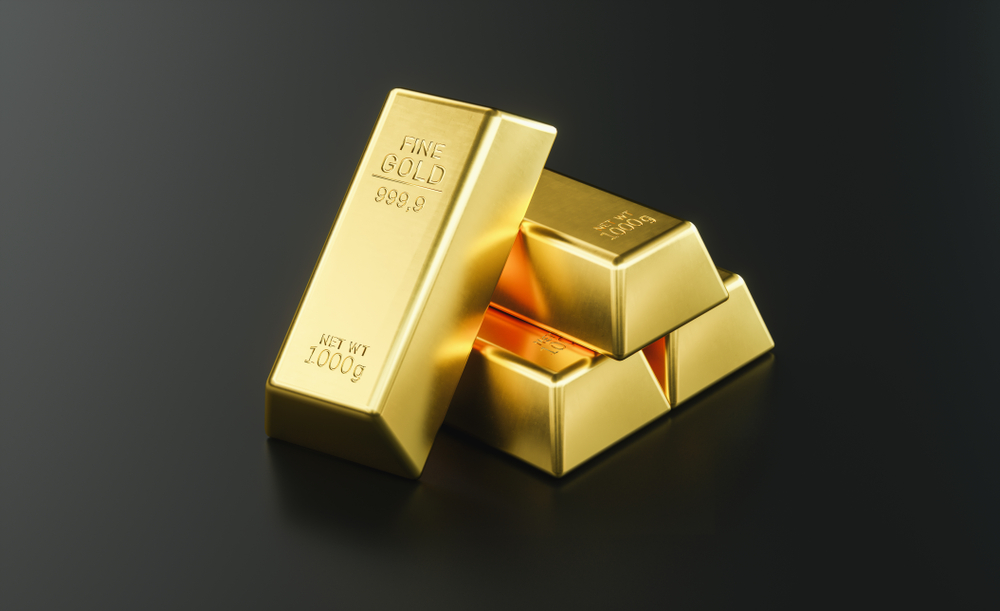
Gold prices fell on Monday as renewed tensions between the United States and Iran revived inflation fears, while a stronger dollar and rising oil prices reinforced expectations of continued high interest rates. Spot gold dropped about 0.7% to $4,506.49 an ounce by midday, after hitting a two-week high on Friday. U.S. gold futures for August delivery also declined, falling 1.2% to $4,536.70 an ounce. This performance follows a difficult month for the precious metal, which lost nearly 2% in May, marking its third consecutive monthly decline.
The rise of the US dollar has contributed to increased pressure on gold, as the rise of the US currency makes the dollar-denominated metal more expensive for investors holding other currencies, thus reducing global demand for it.
Meanwhile, oil prices have risen sharply amid regional tensions, adding a new layer of pressure on financial markets and precious metal prices.
The latest moves came after the United States announced it had carried out strikes targeting Iranian military sites over the weekend, while Iran’s Revolutionary Guard Corps announced on Monday that it had targeted a US base in retaliation for those attacks, in the latest escalation in the three-month-long conflict, which coincides with negotiations aimed at ending the war.
This escalation has led to a decline in the optimism that surrounded the possibility of reaching understandings that would ease tensions in the Strait of Hormuz region, one of the most vital corridors for global energy trade.
With renewed geopolitical risks, Brent crude prices rose by more than 3% following the recent strikes, bringing inflation concerns back to the forefront. Higher energy prices typically accelerate inflation, which could prompt central banks, particularly the US Federal Reserve, to keep interest rates high for longer than anticipated.
Although gold is traditionally considered a hedge against inflation, rising interest rates reduce its investment appeal as a non-yielding asset, especially when bonds and monetary instruments become more capable of providing competitive returns.
Current market movements indicate a rising likelihood of renewed tightening of US monetary policy, as traders are now factoring in the possibility of the Federal Reserve raising interest rates this year.
According to market estimates, the probability of a quarter-point rate hike in December is around 39%, reflecting a gradual change in investor expectations regarding the course of US monetary policy.
Investors are focused this week on a series of anticipated statements from Federal Reserve officials, along with a range of important economic data, most notably the manufacturing purchasing managers’ index and the US jobs report for May, both scheduled for release on Friday.
Analysts believe that this data could play a crucial role in reshaping market expectations regarding US interest rates, which will directly affect the movement of the dollar and gold in the coming period.