39
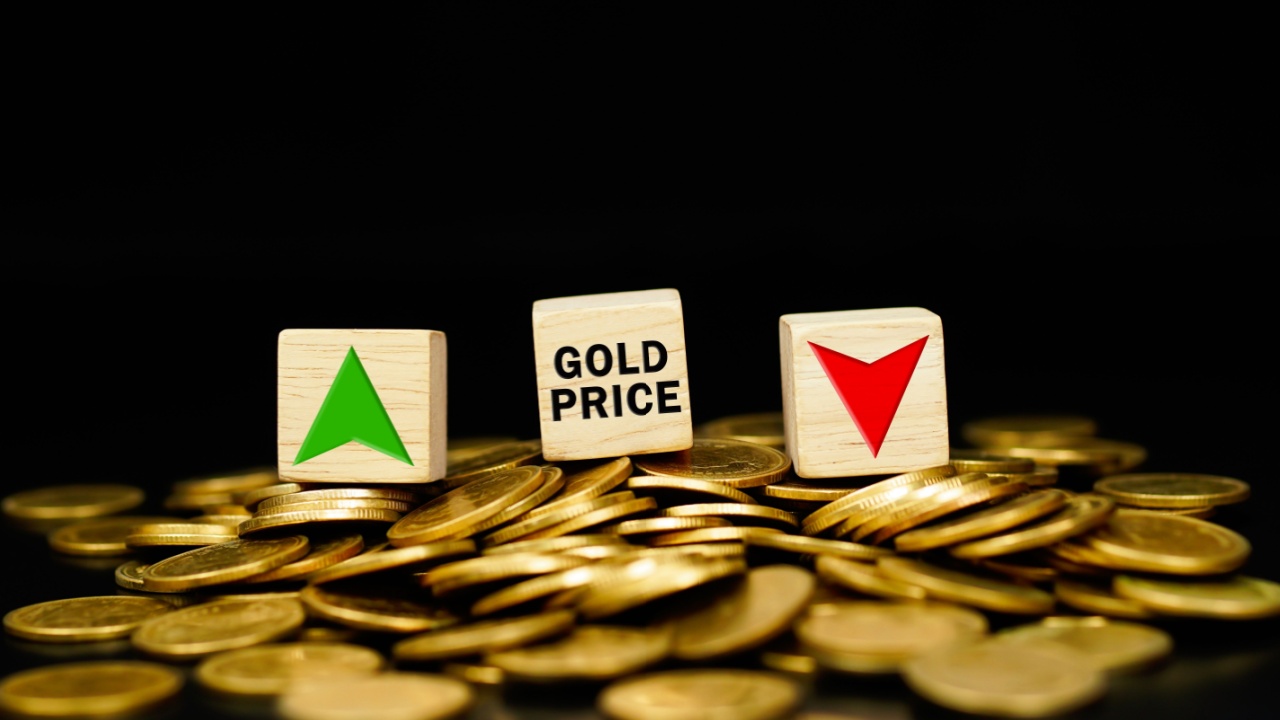
Gold was supposed to be enjoying its best days. Wars in the Middle East, disruptions to energy supply chains, fears of the Strait of Hormuz being closed, and growing talk of a potential global recession—historically, this environment has always been the perfect fuel for a gold price surge. But what happened in 2026 was shockingly different. After gold had surged at the beginning of the year, approaching record highs of around $5,400 an ounce, a sudden downward trend pushed prices back down to around $4,600, despite ongoing geopolitical tensions and heightened anxiety in global markets.
The irony here is that gold did not act as a traditional safe haven this time, but rather became a source of quick liquidity for governments and institutions facing severe financial pressures. Some countries have already begun selling portions of their gold reserves to cover rising import costs and support their local currencies, which have come under considerable pressure due to soaring energy prices and the strengthening dollar.
The markets have suddenly discovered that major crises do not always drive everyone to buy gold, but may even force some to sell it.
Central banks are buying gold as if the world is already changing.
Despite the recent downturn, the bigger picture within the gold market remains crucial. Over the past three years, central banks have purchased more than a thousand tons of gold annually, in one of the largest buying sprees in modern market history. The reason is not solely related to fears of inflation or war, but to a deeper shift occurring within the global financial system. Many countries have begun to worry about their complete dependence on the US dollar, especially after the use of economic sanctions and financial instruments as tools of political pressure in recent years.
China, Russia, and a growing number of emerging economies now view gold as a strategic asset that protects national reserves from the vagaries of US politics and the Western financial system. For this reason, many analysts believe that the real demand for gold is no longer solely for investment purposes, but has become part of the reshaping of the global monetary system itself.
The world is nearing a silent supply crisis in gold.
Beyond the daily price fluctuations, there is a quieter but perhaps more serious problem: gold itself is becoming scarcer. Current estimates suggest that roughly three-quarters of the world’s economically recoverable gold has already been mined, while new discoveries are far fewer than in previous decades. Mining companies today face higher costs, more complex projects, and lower-quality reserves than before. In other words, the world is not only facing increased demand for gold, but is also gradually approaching the limits of available supply.
This is precisely the point that makes some banks and financial institutions talk about long-term scenarios that could push gold to unprecedented levels over the next decade, especially if central banks continue to buy at the current pace.
Is what is happening merely a temporary correction or the beginning of a larger change?
The division within the markets has become clear. Some believe that gold has entered a phase of price overvaluation after the sharp rises it witnessed at the beginning of the year, and that what is happening now is merely a natural correction after a historic upward surge. Others, however, believe that the current decline does not alter the long-term trend, because the fundamental factors that drove gold’s rise remain in place: massive global debt, chronic inflation, declining confidence in fiat currencies, and escalating geopolitical tensions. Perhaps for this very reason, the outlook for gold from major institutions remains positive, despite the recent sharp fluctuations. The market is now asking not just where gold will go in the coming months, but a much larger question.
Are we witnessing the beginning of a new era in which gold will once again play a pivotal role in the global financial system?

The world may not return to the classic “gold standard,” but it’s clear that gold’s role within the global financial system is already shifting. What’s happening today isn’t just a price surge or a temporary speculative wave, but a gradual transformation in how countries and central banks think about reserves and financial sovereignty. After years of the dollar’s absolute dominance, many countries are now seeking assets that cannot be politically frozen, printed without limits, or reliant on the power of a single nation. This is where gold is returning to the forefront as a neutral global asset with historical value and centuries of accumulated trust. With rising global debt, declining confidence in paper currencies, and the growing geopolitical divide between East and West, gold seems to be moving beyond simply being a hedge. It may gradually become a cornerstone of the emerging financial order, even if this isn’t officially declared.