
104
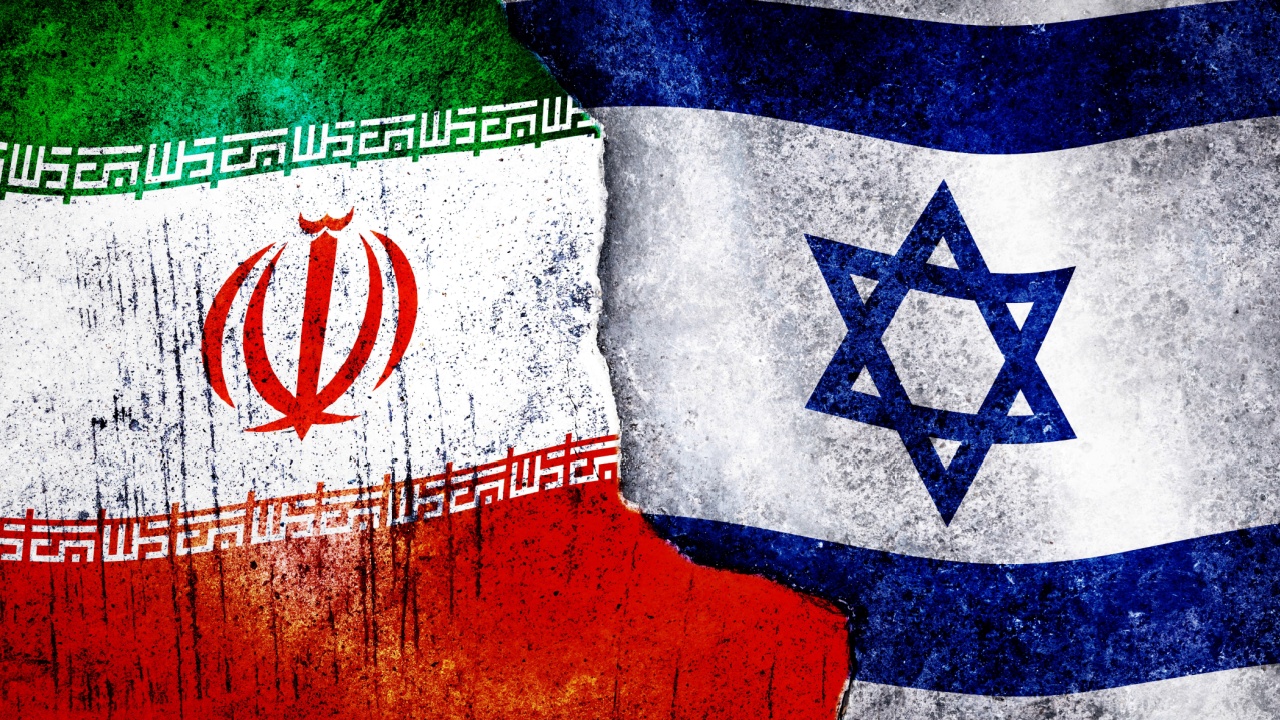
Events in the Middle East are accelerating as the confrontation between Iran and Israel enters its sixth day, amid intense exchanges of fire and worrying military movements. Meanwhile, US President Donald Trump held an emergency meeting with his national security team to discuss the escalation, sparking renewed speculation that Washington is close to direct involvement in the conflict.
Trump demands unconditional Iranian surrender
In an unprecedented escalation of rhetoric, Trump posted on his social media account a call for what he described as “unconditional surrender” from Iran, threatening to target Supreme Leader Ali Khamenei, saying: “We know exactly where the so-called Supreme Leader is hiding… He’s an easy target, but we won’t be assassinating him—at least not yet.”
Although the United States has not announced its direct involvement in the attacks, its support for Israel in intercepting Iranian missiles has become clear, and signs of direct US military action have emerged with the dispatch of the aircraft carrier Nimitz to the Middle East ahead of schedule.
Israel strikes, Iran prepares to respond
The Israeli Defense Forces announced that they intercepted most of the missiles launched from Iran, confirming that they struck a facility manufacturing centrifuges used in uranium enrichment. However, intelligence reports indicated that Iran is preparing missiles to strike American interests should Washington decide to join the military campaign.
The New York Times published satellite images showing extensive damage to Iran’s Natanz nuclear facility, a major center for nuclear fuel production, according to the International Atomic Energy Agency.
The specter of nuclear war looms
In a scene reminiscent of the nightmares of major wars, German Chancellor Friedrich Merz stated that “the complete destruction of Iran’s nuclear program could be on the table” if Tehran does not return to the negotiating table. These developments follow the collapse of two-month nuclear talks between Washington and Tehran, with Iran insisting that its nuclear program is purely peaceful, while Israel and the United States view it as an existential threat.
Global markets are reeling
In a sign of the fragility of the situation, US stock indexes fell in line with Trump’s hawkish rhetoric, while oil prices approached their highest levels in five months, with Brent crude trading at $76.40 a barrel. The Israel Oil Refineries Company announced the closure of its main complex after it was severely damaged in an Iranian attack, killing three employees. This complex supplies the local market with 70% of its oil needs.
Leaders in Washington are pushing for war.
For his part, Republican Senator Lindsey Graham, a longtime supporter of military intervention against Iran, said, “I 100 percent support US participation in striking Fordow… You cannot destroy their nuclear program without striking this site.” Reports confirmed calls within the US administration for military action against Iranian underground facilities using “bunker-buster bombs.”
Netanyahu pushes Washington into battle
Israeli Prime Minister Benjamin Netanyahu said in an interview with ABC that his country and the United States face a “common enemy,” and that it is in the United States’ interest to support Israel in its battle against Tehran. While Israel is trying to drag its American ally deeper into the conflict, Trump left the door ajar for the possibility of resuming talks, but he blamed Iran for the failure of the previous agreement, saying it missed an opportunity to avert strikes.
Blood and body parts on both sides of the front
Iran reported that more than 200 people were killed as a result of the Israeli airstrikes, while Israel announced that 24 people were killed and more than 600 injured. Qatar also warned liquefied gas tankers against transiting the Strait of Hormuz amid rising tensions.
In conclusion: a pivotal moment in the history of the region
With the fading lines of calm fading, the region appears to be on the cusp of a new bloody phase, where nuclear calculations intersect with electoral politics and geopolitical ambitions. Will the confrontation escalate into a full-scale war that re-ignites the Gulf? Or will diplomacy be able to defuse the explosion at the last minute? The coming weeks will be decisive and may hold within them a watershed moment that will change the face of the Middle East forever.