
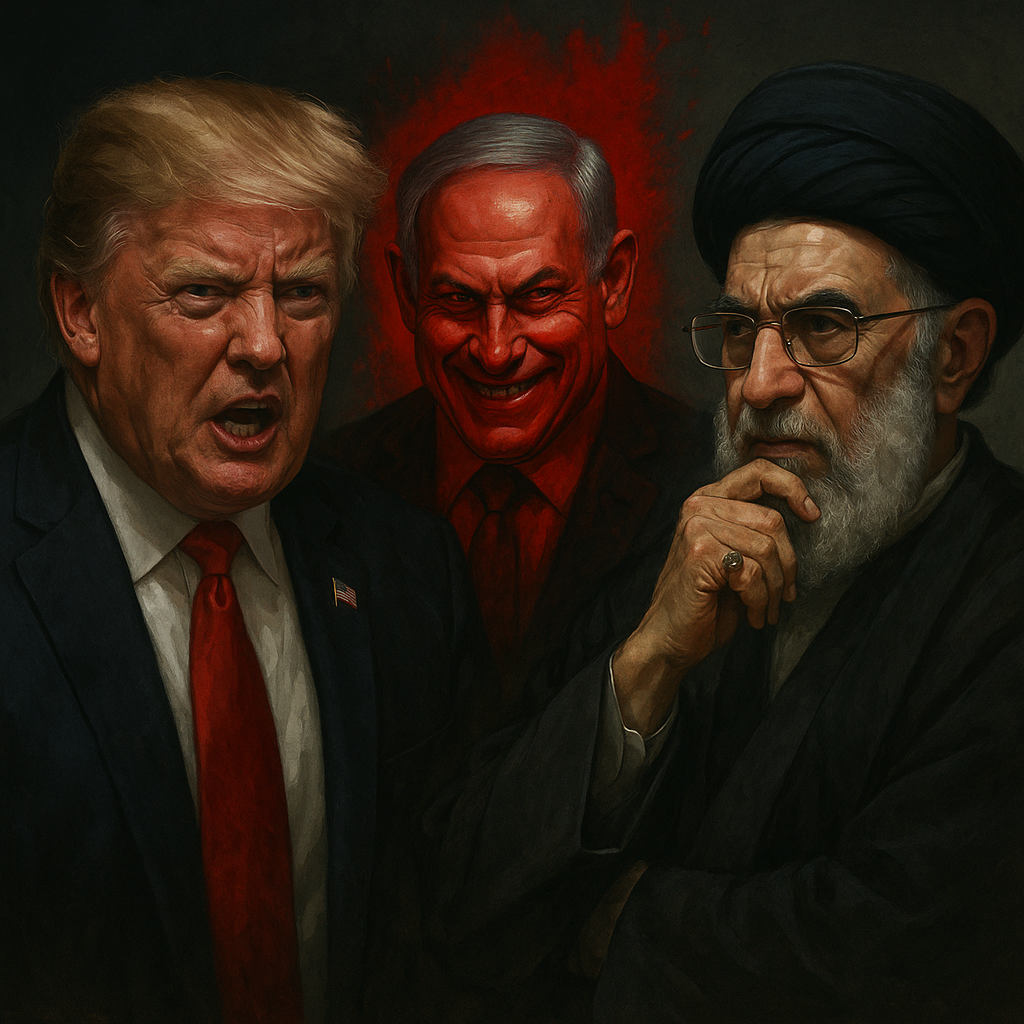
“Our goal was to eliminate Iran’s uranium enrichment capacity and to stop the nuclear threat emanating from the world’s leading state sponsor of terrorism. Iran is the bully of the Middle East, and it must now make peace. If it does not, the next blows will be more severe and easier.”
Iranian response: “Aggression with lasting consequences”
In response to the raids, Iranian Foreign Minister Abbas Araqchi described the US attack as “blatant aggression with lasting consequences,” stressing that his country “reserves all options to defend its sovereignty, its people, and its interests.”
Iran’s nuclear agency confirmed that no radiation leaks had been detected from the targeted sites, and that it had taken precautionary measures in anticipation of an attack.
Evacuation of US citizens and escalating risks
As tensions escalated, the US State Department began evacuating its citizens from Israel, organizing two flights to Athens to evacuate approximately 70 Americans and permanent residents.
In light of this escalation, experts have warned that US forces deployed in the Middle East—numbering approximately 50,000 troops in Kuwait, Qatar, Bahrain, the UAE, Saudi Arabia, and Iraq—will be on high alert, especially since the largest US base in the region is located in Qatar (Al Udeid Air Base).
Israel: Full coordination with Washington
Reports indicated that Israel had advance knowledge of the strikes and fully coordinated with the United States. Israeli Prime Minister Benjamin Netanyahu spoke with Trump after the strikes and confirmed full cooperation between the two sides. Previous Israeli strikes had hit Iranian military facilities and weakened Iranian air defenses, paving the way for a more precise and effective US attack.
Possible Iranian Response: Cyber and Missile
Possibilities for Iran’s response include launching cyberattacks against American or Israeli interests, as well as the possibility of targeting American interests in the Gulf or the Red Sea via the Houthis or Iranian-backed militias. Observers fear that the strategic Strait of Hormuz, through which approximately 20% of the world’s oil passes, could be targeted, threatening sharp increases in oil and gas prices.
International reactions: warnings without intervention
Russia and China condemned the US and Israeli strikes, warning of a broader regional escalation, but without taking concrete steps to support Tehran. At the European level, France, Germany, and the United Kingdom had attempted the day before the strike to bring Iran to the negotiating table in Geneva, but their mediation efforts failed.
Trump faces Republican pressure and allies’ warnings
The US decision came amid divisions within the Republican ranks themselves:
- Some, such as former Trump advisor Steve Bannon, have warned against getting involved in a new war, which would contradict Trump’s previous promises to “not drag America into other wars.”
- Others called for seizing the opportunity to strike a decisive blow against Iran and prevent it from possessing a nuclear weapon.
“This is not the beginning of a forever war. There will be no American boots on the ground in Iran. It was a limited and successful strike, and it was necessary.”
Iran is suffering from a stifling economic crisis, with inflation exceeding 40% and increasing international isolation. Facing internal anger and popular demands for improved living conditions, it now finds itself in a dilemma: how to respond without being drawn into open war.
Despite Supreme Leader Ali Khamenei’s calls for a “devastating response,” Iran may opt for limited retaliation options to avoid a full-scale war.
Conclusion: The Middle East is on the brink of collapse.
The US attack on Iran’s nuclear facilities represents the most dangerous escalation in the history of the US-Iran conflict since the 1979 Islamic Revolution. With the confrontation between Israel and Iran escalating, and the potential involvement of regional and international parties, the Middle East faces a critical moment that could reshape the regional power equation for decades to come, while the world continues to watch with concern the fate of oil prices and the security of international navigation.